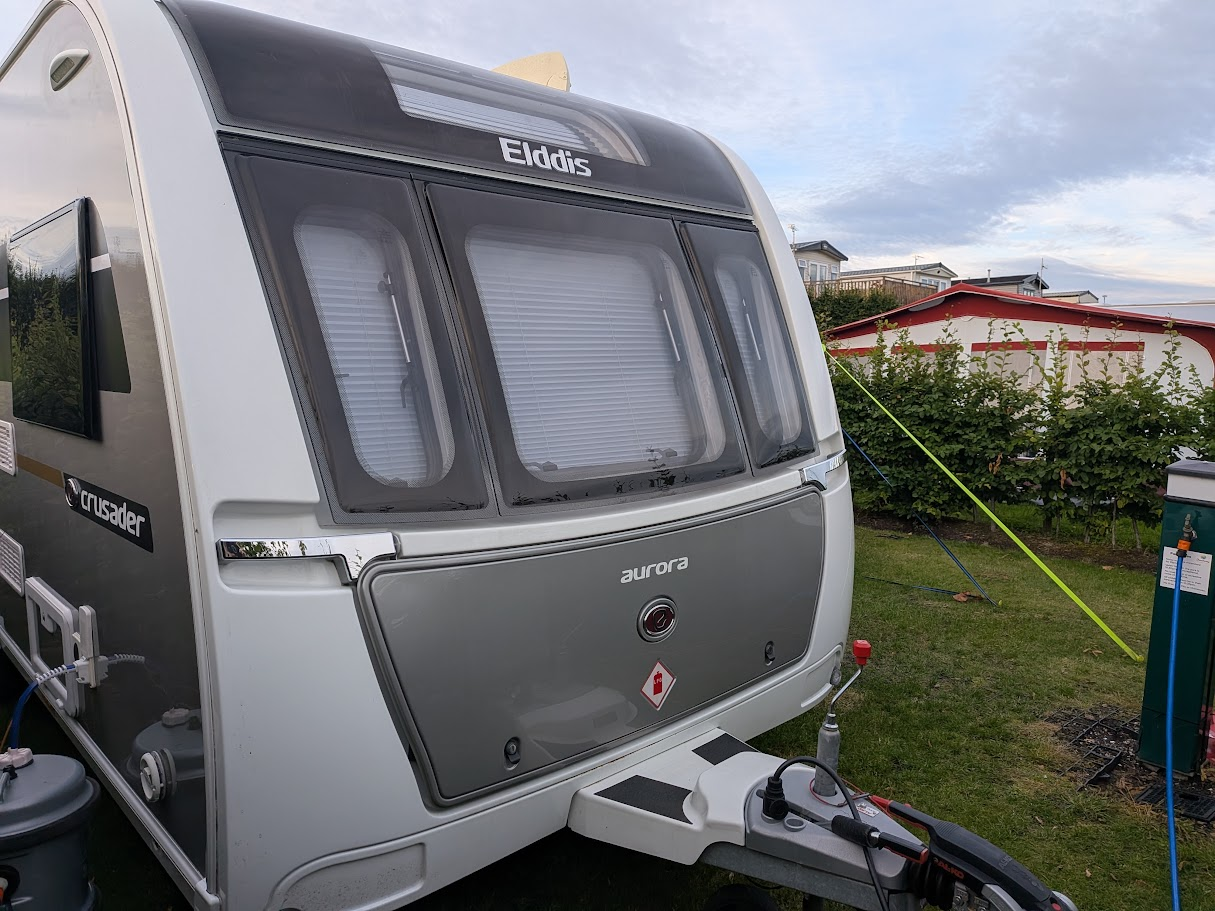
Choosing the Right Caravan Layout: Types, Sizes, Berths & Real-World Pros and Cons
When it comes to caravanning, one of the most exciting—but also most overwhelming—decisions is choosing the right caravan layout. Whether you’re a couple looking for quiet weekend escapes, a young family craving spontaneous adventures, or seasoned tourers upgrading to something more luxurious, your caravan’s layout can make or break your experience on the road.
In this blog, we’re diving into the different types of caravan layouts, sizes, and berth options available on the market today. We’ll share what works well, what can feel cramped, and what we’ve learned from owning both a traditional layout with a make-up bed and an upgraded model with a fixed island bed. From practical use of space to bedtime routines and storage hacks, this guide blends technical insight with real-world experience to help you pick your perfect pitch.
Table of Contents
- Understanding Caravan Berths & Layouts
- Popular Caravan Layout Types
- Front Lounge Layouts
- Fixed Bed Layouts
- Bunk Bed Family Layouts
- Twin Single Bed Layouts
- End Bathroom Layouts
- L-Shaped Lounges
- Caravan Sizes Explained
- Pros and Cons of Different Layouts
- Our First Caravan: The Elddis Typhoon GT
- Our Upgrade: The Elddis Crusader Aurora
- What We’ve Learned from Both
- How to Choose the Right Layout for You
- Final Thoughts
1. Understanding Caravan Berths & Layouts
Before diving into specific layouts, it’s important to understand what “berth” means. A berth is simply the number of people a caravan can sleep. Common sizes include:
- 2-Berth: Ideal for couples.
- 4-Berth: Great for families or couples who want guest space.
- 5-6 Berth: Often has bunk beds and larger seating areas—suited for families with children.
Layout, on the other hand, refers to the interior design and arrangement of beds, seating, bathrooms, and kitchens. While berths give you capacity, layout determines comfort and usability.
2. Popular Caravan Layout Types
2.1 Front Lounge Layouts
This classic layout features a U-shaped or parallel front seating area that converts into a double bed or two singles at night. It’s often paired with:
- A central kitchen and washroom
- An end bathroom or fixed bed
Best for: Couples or smaller families who don’t mind making up the bed.
2.2 Fixed Bed Layouts
Fixed beds come in various styles: French beds (sideways), transverse island beds, or rear island beds. They offer a ready-made sleeping space, which is incredibly convenient.
Best for: Couples who want comfort and less hassle.
2.3 Bunk Bed Family Layouts
Designed for families with kids, these layouts often feature:
- A fixed double or lounge bed at one end
- Stacked bunks at the opposite end
- A central washroom and kitchen
Best for: Families who need multiple permanent beds.
2.4 Twin Single Bed Layouts
This layout features two single beds, often in the rear, with a central washroom and kitchen. Some people prefer this over a double bed for ease of access.
Best for: Friends touring together or couples who prefer separate sleeping.
2.5 End Bathroom Layouts
An end bathroom spans the width of the caravan at the rear and usually includes a generous shower, wardrobe, and toilet.
Best for: Tourers who want a bigger bathroom and extra changing space.
2.6 L-Shaped Lounges
This layout maximizes the seating area at the front, creating a more social and “open-plan” feel. Some versions include a rear dinette or fixed bed.
Best for: People who value open space and comfort in the lounge.

3. Caravan Sizes Explained
Caravans range from compact 2-berth models under 6m to full-size twin axles stretching 8m or more. Size affects:
- Weight: Heavier vans need a more powerful tow car.
- Manoeuvrability: Shorter vans are easier to tow and pitch.
- Storage: More space means more comfort—but harder storage logistics.
4. Pros and Cons of Different Layouts
Let’s break down the real pros and cons of each layout:
| Layout Type | Pros | Cons |
|---|---|---|
| Front Lounge | Flexible, airy, great views | Making up bed daily can be a chore |
| Fixed Bed | Always ready to sleep, comfort | Takes up space during the day |
| Bunk Beds | Ideal for kids, quick bedtime setup | May sacrifice adult seating/storage |
| End Bathroom | Spacious, private changing area | Can limit storage at rear of van |
| Twin Single Beds | No bed sharing, easy to access | No “cosy” double bed feel |
| L-Shaped Lounge | More social seating | Often reduces front window size |
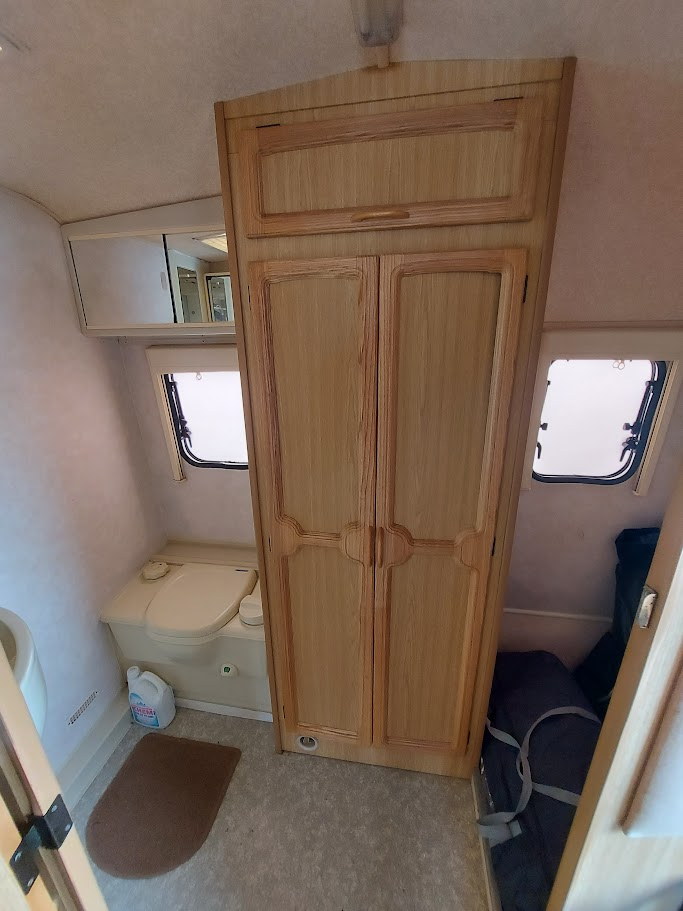
5. Our First Caravan: The Elddis Typhoon GT
Our first ever caravan was the Elddis Typhoon GT, and honestly, it was the perfect introduction to touring life.
Key Features:
- Front lounge that converted into a double bed or two singles
- Bunk beds midway for our child
- A spacious end bathroom with a decent-sized shower and wardrobe
What we loved most was the generous storage, especially in the rear washroom. Having the bunks meant our child had a dedicated space, and we could unwind in the front seating area once they were asleep. However, we won’t sugarcoat it: making up the bed every night did get a little tiring, especially after a long day of adventures.
6. Our Upgrade: The Elddis Crusader Aurora
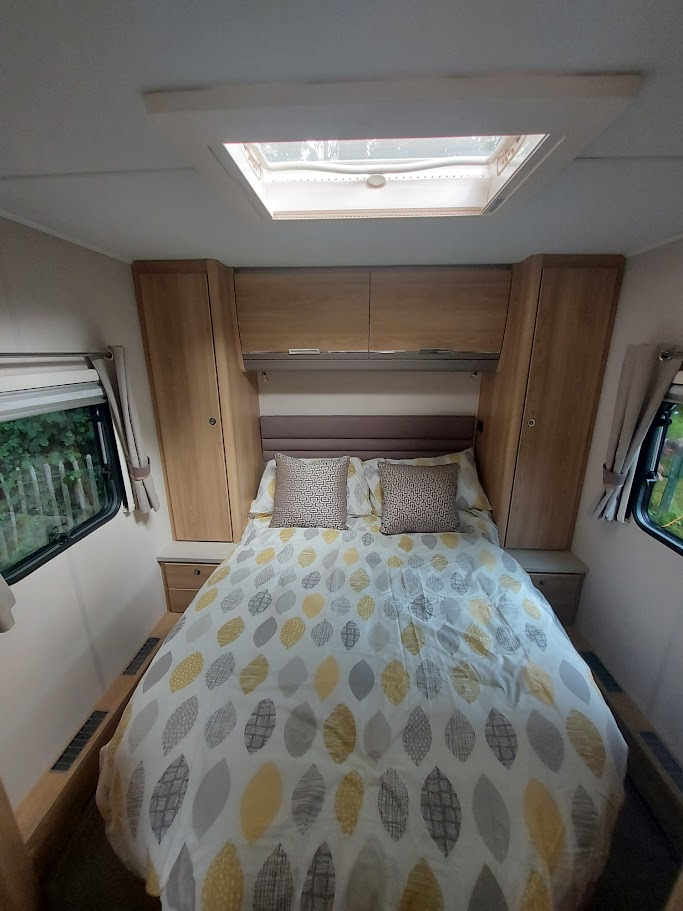
A few years later, we upgraded to a 4-berth Elddis Crusader Aurora, and wow—it felt like luxury compared to the Typhoon.
Key Features:
- Fixed island bed at the rear
- Separate shower and bathroom in the middle
- Front lounge that converts into a bed
The fixed bed was a game-changer. Not having to wrestle with cushions and bedding every evening felt like a real treat. It also gave our mornings a slower, more relaxed pace.
However, there are some compromises:
- The front seating area is slightly shorter, so it doesn’t feel as roomy.
- While it’s a 4-berth van, it can feel tight with two adults and an 8-year-old.
- You lose a bit of floor space to the fixed bed and middle washroom layout.
That said, we love it and have happily toured in it year-round, including over Christmas holidays.
7. What We’ve Learned from Both
Comfort vs Space
Having a fixed bed equals comfort, but you’ll lose some space—especially in the front lounge. If you’re touring with kids, consider how much room you’ll need for daytime living.
Bedtime Routines Matter
In the Typhoon, one of us had to wait until the bed was made to relax. In the Aurora, we just crawl in when we’re ready, no fuss.
Storage is Everything
Layouts with end bathrooms tend to give you more wardrobe and cupboard space. The Aurora, while plush, has less room to tuck things away.
Every Layout Is a Compromise
There is no one-size-fits-all layout. You’re always trading one benefit for another—be it a bigger kitchen, a fixed bed, or extra floor space.
8. How to Choose the Right Layout for You
When picking your caravan layout, ask yourself:
- How many people will be sleeping in it regularly?
- Do you mind making up the bed each night?
- How important is storage space?
- Are you touring in winter (extra space indoors matters)?
- Do you need privacy or open-plan living?
If you’re a couple who value comfort and travel often, a fixed island bed will feel like a luxury hotel room on wheels. Families with younger children might benefit more from bunk beds and a flexible front lounge.
9. Final Thoughts
There’s something uniquely personal about choosing your caravan layout. It’s not just about features—it’s about how you live on the road. We’ve been lucky to experience both ends of the spectrum: a traditional family-friendly layout in our Elddis Typhoon GT, and now a more luxurious fixed bed setup in the Crusader Aurora.
Both had their strengths, and both helped create incredible memories.
So whether you’re looking for more sleeping space, a permanent bed, or the biggest bathroom you can get, we hope this guide helps you narrow down the layout that’s right for you.
Remember: try before you buy if you can, and picture your typical day in the van. That’s where the magic lies.