How Getting Outdoors Helps Ease Stress and Anxiety
In today’s busy world, stress and anxiety can creep up on us before we even realise it. For many of us, myself included, mental health isn’t just an occasional challenge—it’s something we live with and manage every day. I’ve suffered with anxiety and panic attacks for most of my life. At times, the weight of it all has felt overwhelming. But if there’s one thing that consistently helps lift that heavy fog, it’s getting out into nature.
Whether it’s walking through a quiet forest, listening to the waves crash on a beach, or even a short stroll through the local park, nature has become a lifeline for me—and I know I’m not alone. Science backs it up, and so do countless people who’ve found solace in the natural world. So, let’s explore why nature is so powerful for our mental well-being, the benefits of spending time outside, and some simple yet joyful ways to reconnect with the great outdoors.
My Journey with Anxiety—and How Nature Helped
I’ve lived with anxiety for as long as I can remember. From heart-racing panic attacks to the kind of low moods that make you want to shut the world out, it’s been a journey of ups and downs. I used to think the answer had to be big and dramatic—a total life overhaul, some magical solution. But sometimes, the smallest changes make the biggest impact.
One of those small changes for me was choosing to spend just 15 or 30 minutes outside. It started with little walks around the block when I felt a panic attack bubbling up. Then I began exploring local forest parks, taking slow strolls through the trees, breathing deeply, and just letting the world quieten down. I still remember the first time I sat alone on a beach, wrapped in a blanket, letting the sound of the waves soothe me. No phone. No pressure. Just me and nature.
That feeling—that peace—is something I now actively seek. I’ve learned that even the shortest bit of time in nature can reset my mind. It doesn’t cure anxiety, but it grounds me. It gives me space to breathe. And on my worst days, it reminds me that I’m not alone in how I feel.
The Science Behind Nature’s Mental Health Benefits
It’s not just a hunch—there’s real science to back up why getting out into nature helps us feel better:
1. Reduces Cortisol (the Stress Hormone)
When we’re in natural settings, our body naturally lowers its cortisol levels. Cortisol is responsible for that “fight or flight” feeling—racing heart, tight chest, anxious thoughts. Spending time in nature helps our nervous system shift from “survival mode” to “rest and restore.”
2. Boosts Serotonin and Dopamine
These are the brain’s “feel good” chemicals, and they’re boosted when we spend time outdoors, especially in green spaces. Think of it as a natural mood-lifting prescription—without the side effects.
3. Improves Focus and Attention
Ever notice how you can think more clearly after a walk? Studies show that nature improves cognitive function and attention span, especially in those who struggle with anxiety, depression, or ADHD.
4. Encourages Mindfulness
Being outside helps anchor us in the present moment. Whether you’re watching a bird build a nest or feeling sand under your toes, nature gently encourages mindfulness—a powerful antidote to overthinking and anxiety.
5. Promotes Better Sleep
Light exposure during the day (especially morning sunlight) helps regulate your body’s natural sleep rhythms. Plus, being physically active outdoors can help you sleep more deeply at night.
Simple Ways to Get Out into Nature
You don’t have to climb a mountain or book a wilderness retreat to benefit from the outdoors. Here are some of the easy, accessible ways I’ve incorporated nature into my life—many of which can be done with little time or money.
1. Local Forest Walks
This is my go-to. There’s something incredibly calming about walking through tall trees, hearing the leaves rustle, and feeling the cool air. Forest parks often have clear trails, making it easy to wander safely—even if you’re alone.
Tip: Try a mindful walk. No music, no podcasts. Just you, your breath, and the natural sounds around you.
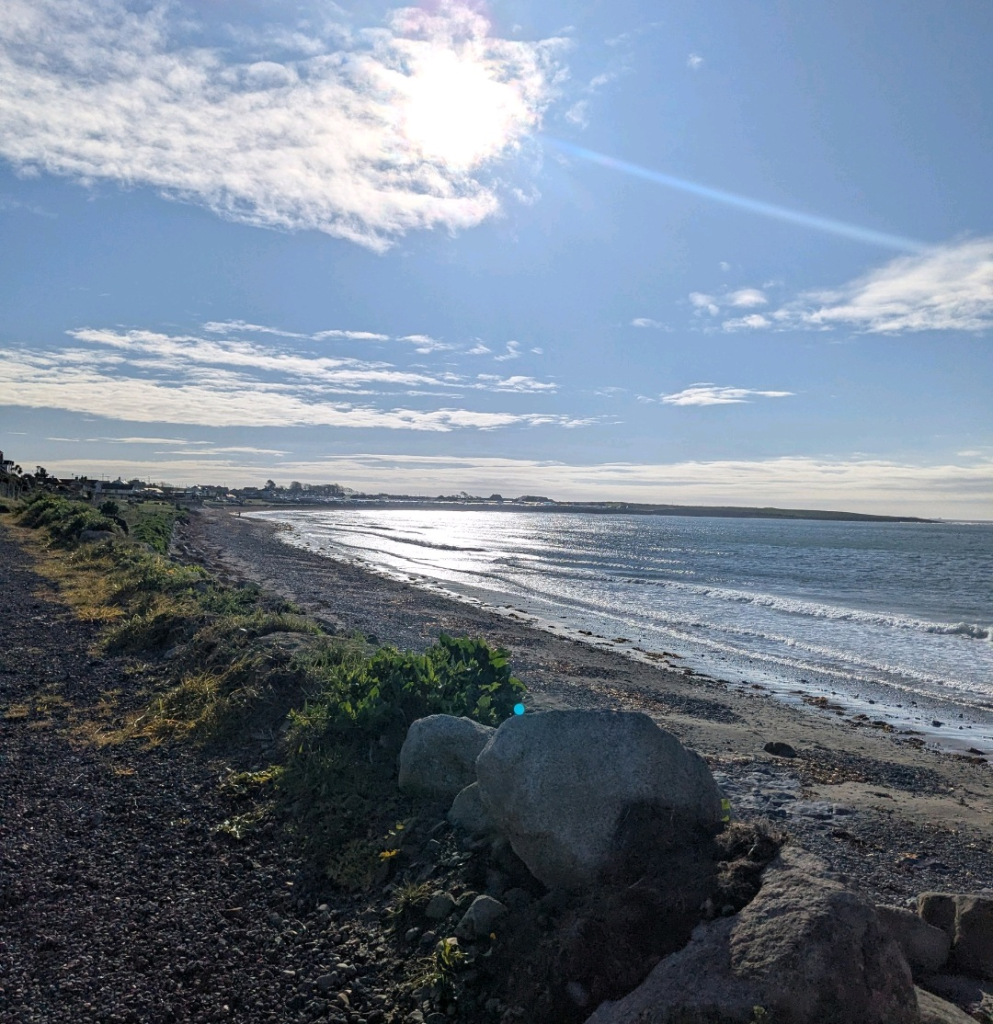
2. Beach Time
Even in colder weather, I love sitting by the sea. The sound of waves is like a meditation track. I take a flask of tea, wrap up warm, and just… be. It’s the perfect place to journal, reflect, or let your mind drift.
3. Bird Watching
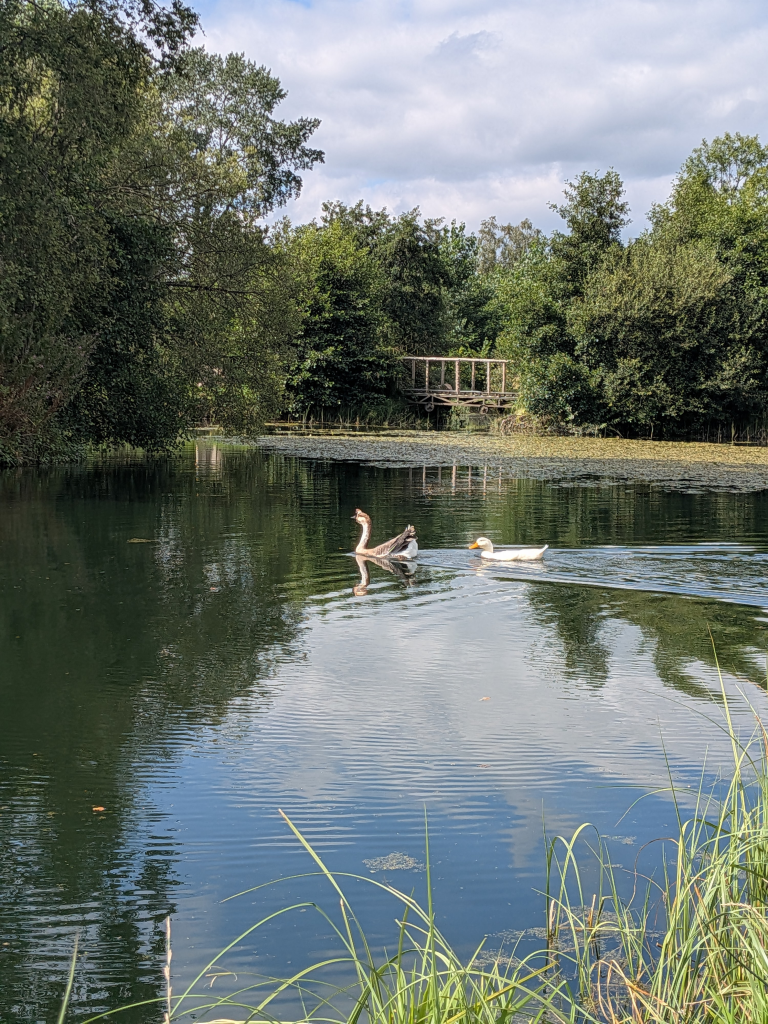
Bird watching is surprisingly soothing. I started by noticing the robins and blackbirds in my garden, then picked up a simple pair of binoculars and a bird guide. The act of quietly watching, listening, and identifying birds helps distract my anxious thoughts.
Beginner birdwatching tip: Head to a local park or nature reserve in the early morning when birds are most active.
4. Gardening and Outdoor Pottering
If you’ve got a garden, balcony, or even a few pots on a windowsill, gardening can be a therapeutic outdoor activity. There’s something grounding about putting your hands in the soil and watching something grow.
5. Nature Photography
You don’t need a fancy camera—your phone will do. Try snapping close-ups of leaves, insects, clouds, or sunsets. It helps you notice details you might otherwise miss and encourages present-moment awareness.
6. Picnics and Forest Coffee Breaks
Pack a blanket, some snacks, or a flask of coffee and find a scenic spot. Even if you only have 20 minutes, sitting in nature with a warm drink can reset your whole mindset.
7. Wildlife Spotting Walks with the Kids or Dog
Spending time in nature doesn’t have to be solo. I often take the family (and the dog!) on nature treasure hunts—looking for pinecones, unusual leaves, or spotting butterflies. It’s a great way to bond and get everyone off screens for a bit.
Why It’s Okay to Start Small
If you’re struggling with your mental health, the idea of going out can sometimes feel too big. I get it. There were days when I couldn’t face the world, let alone a woodland trail. That’s why I always remind people: start small.
- Open a window and listen to birdsong.
- Step outside for 5 minutes and feel the breeze.
- Sit on your doorstep with a cuppa and watch the clouds.
These tiny acts still count. They’re little reminders that the outside world is there when you’re ready—and that it wants to hold space for you.
Long-Term Benefits of a Nature Habit
Over time, spending more time outdoors can create a snowball effect of benefits:
✅ More energy and motivation
That sluggish, anxious feeling often fades after even a brief walk outside.
✅ Stronger resilience
I’ve found that I bounce back from difficult days quicker when I’ve been regularly connecting with nature.
✅ Improved relationships
Spending time outdoors with loved ones—whether on a walk, at the beach, or exploring somewhere new—has helped deepen my family bonds.
✅ Better mental clarity
Some of my best ideas and biggest personal breakthroughs have come while out walking among the trees.
Nature and Self-Care: It’s Not a Luxury, It’s a Necessity
In our fast-paced world, we often treat self-care like a luxury. But here’s the truth: connecting with nature is one of the most essential forms of self-care there is. It’s not about being perfect or outdoorsy or Instagram-worthy. It’s about reconnecting with something ancient and powerful—something that’s been healing humans for thousands of years.
So next time you’re feeling the tension build, or the anxious thoughts start spiraling, try stepping outside. Head to your nearest park, forest, or beach—even if it’s just for 15 minutes.
Let the world hold you for a while.
You might be surprised at how much lighter you feel.
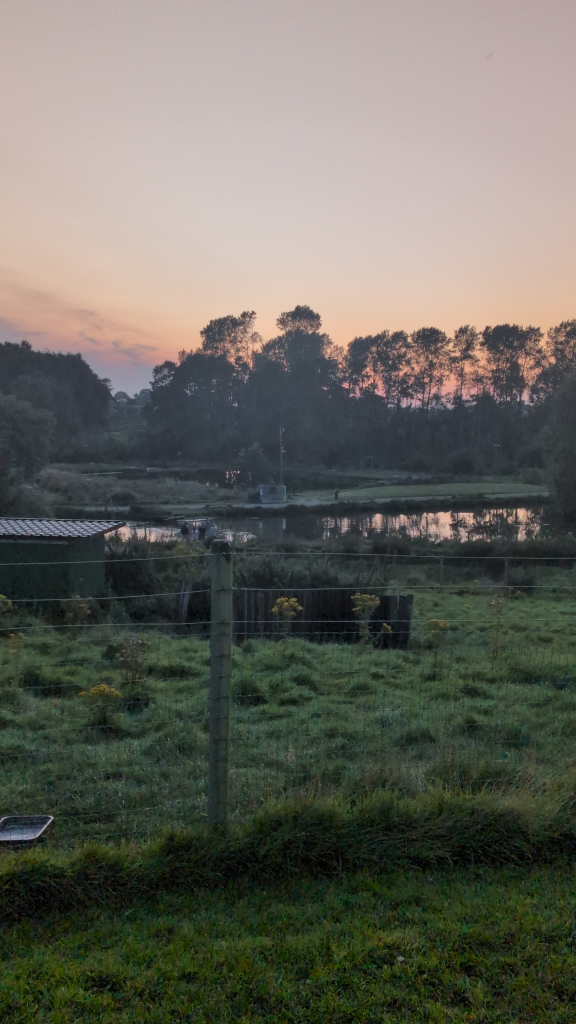
Final Thoughts: Nature as a Lifeline, Not Just a Hobby
For me, nature isn’t just a nice way to pass the time. It’s been a vital part of my mental health journey. It’s helped me through panic attacks, burnout, low moods, and overwhelming days. It’s where I’ve cried, breathed, healed, and started over—again and again.
And the best part? It’s always there.
Waiting.
Welcoming.
So if you’re feeling the pressure of life, if your mind is racing and your chest feels tight—step outside. Into the trees. Onto the sand. Beside the birds.
Let nature meet you where you are.