Category: Caravan Travel

  • How to make sure your car is caravan ready

    How to make sure your car is caravan ready

    Is Your Car Caravan-Ready? The Ultimate Towing Prep Guide from Our Family Adventures

    Discover how to make sure your car is suitable for towing a caravan, with safety checks, legal requirements, and personal tips from our own experience towing with a Land Rover Freelander.

    There’s nothing quite like hitching up the caravan and hitting the open road. The freedom, the flexibility, and the fun of making your own adventures wherever the wind (or weather) takes you. But before the adventure begins, there’s one crucial step every caravanner must take seriously: making sure your car is safe and suitable to tow.

    From weight limits and towing capacities to legal requirements and simple safety checks, this guide has everything you need to prepare your tow vehicle—and we’ll even throw in some personal insights from our own towing journey with our Land Rover Freelander!

    Is Your Car Suitable for Towing a Caravan?

    Before you even consider hitching up, you need to make sure your car is physically and legally capable of towing a caravan. Not all cars are built to tow—and towing with a car that isn’t up to the job can be dangerous, illegal, and expensive.
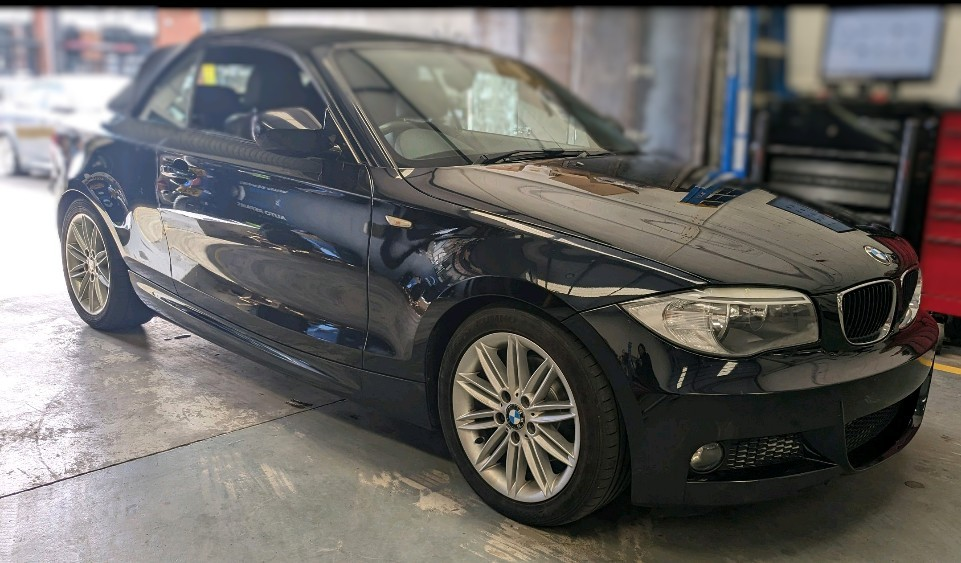
    BMW M Sport
    This car is not a suitable tow car!

    Step 1: Check Your Vehicle’s Towing Capacity

    Your car’s towing capacity is the maximum weight it can safely pull. You’ll usually find this in the vehicle handbook or on the manufacturer’s plate (located inside the driver’s door frame or under the bonnet).

    There are two important terms to know:

    • Braked Towing Capacity: This is the maximum weight your car can tow if the caravan has its own braking system (which most do).
    • Unbraked Towing Capacity: The limit for trailers or caravans without brakes (usually much lower).

    Top Tip: Never exceed your car’s braked towing limit—it’s illegal and puts you and others at serious risk.

    Step 2: Understand Weight Terminology

    When it comes to matching your car and caravan safely, weight really matters. Here are the key terms you need to know:

    • MTPLM (Maximum Technically Permissible Laden Mass): The maximum weight your caravan can be when fully loaded.
    • MIRO (Mass in Running Order): The caravan’s weight as it leaves the factory, with no added gear or water.
    • Payload: The difference between MTPLM and MIRO—i.e., how much you can load into the caravan.
    • Kerb Weight: The weight of your car with all standard equipment, fluids, a full tank of fuel, and a driver.

    Use this info to calculate the caravan-to-car ratio. A good rule for beginners is the 85% rule: try not to tow a caravan that weighs more than 85% of your car’s kerb weight.

    Our Setup: Towing with a Land Rover Freelander

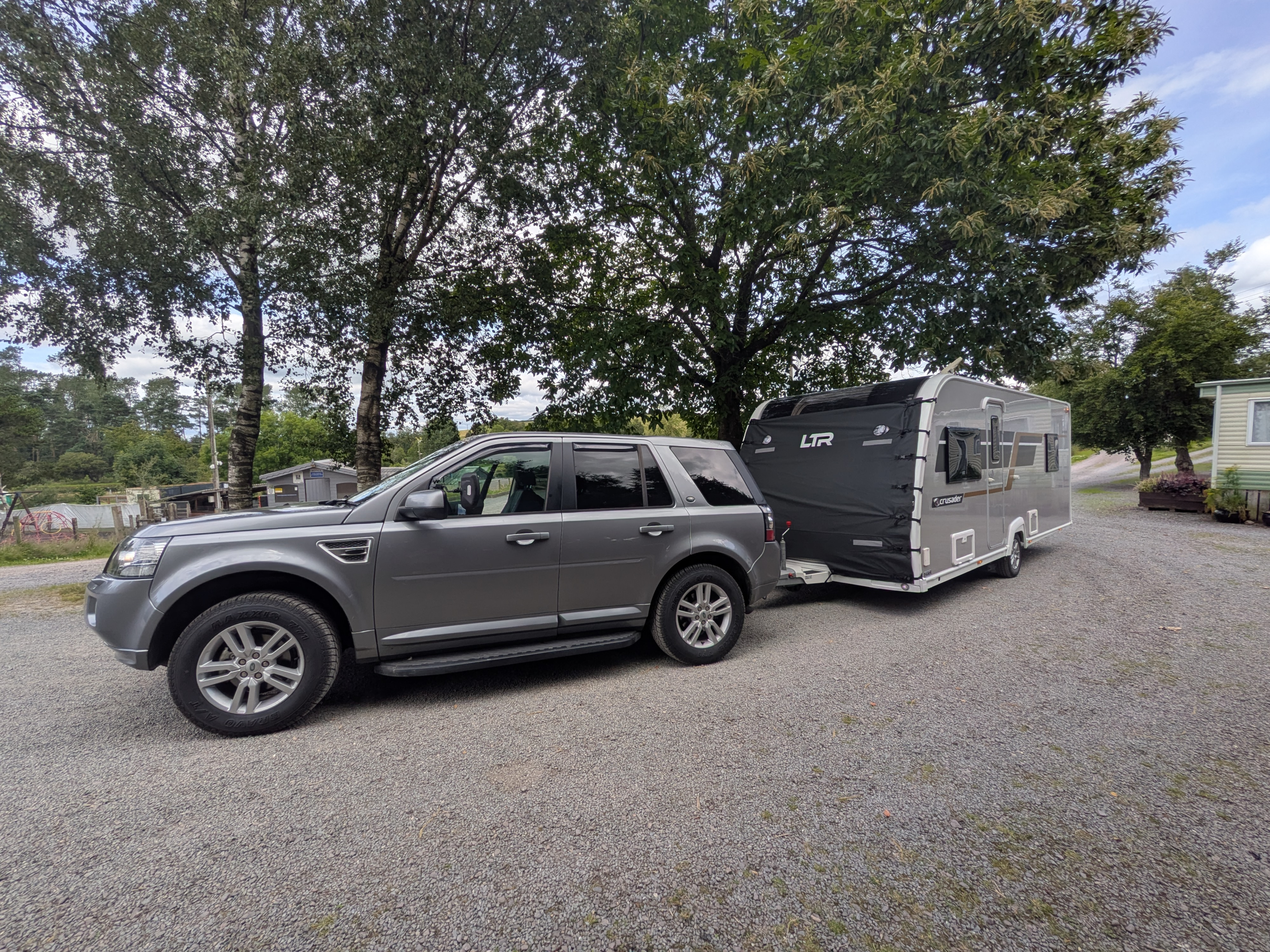
    When we first got our Land Rover Freelander, it didn’t have a tow bar. But we knew we’d be using it for towing our Elddis Crusader Aurora caravan, so we had a tow bar professionally fitted—specifically with an AL-KO tow ball, designed to work perfectly with AL-KO hitch stabilisers.

    And let me tell you—it made a world of difference! The added stability when towing was immediately noticeable, especially at higher speeds or in windier conditions. It gives us peace of mind knowing we’ve got the right gear for the job.

    Pre-Tow Car Checks: Is Your Vehicle Ready to Tow?

    Even if your car is suitable for towing, it still needs a bit of TLC and prep work before each trip. Here’s what we check before setting off on every caravan adventure:

    1. Tow Bar & Tow Ball

    • Ensure the tow bar is securely fitted and free from rust or damage.
    • Check the AL-KO tow ball is clean and grease-free (essential if you’re using an AL-KO hitch).
    • Inspect for any movement or loose bolts—everything should feel solid.
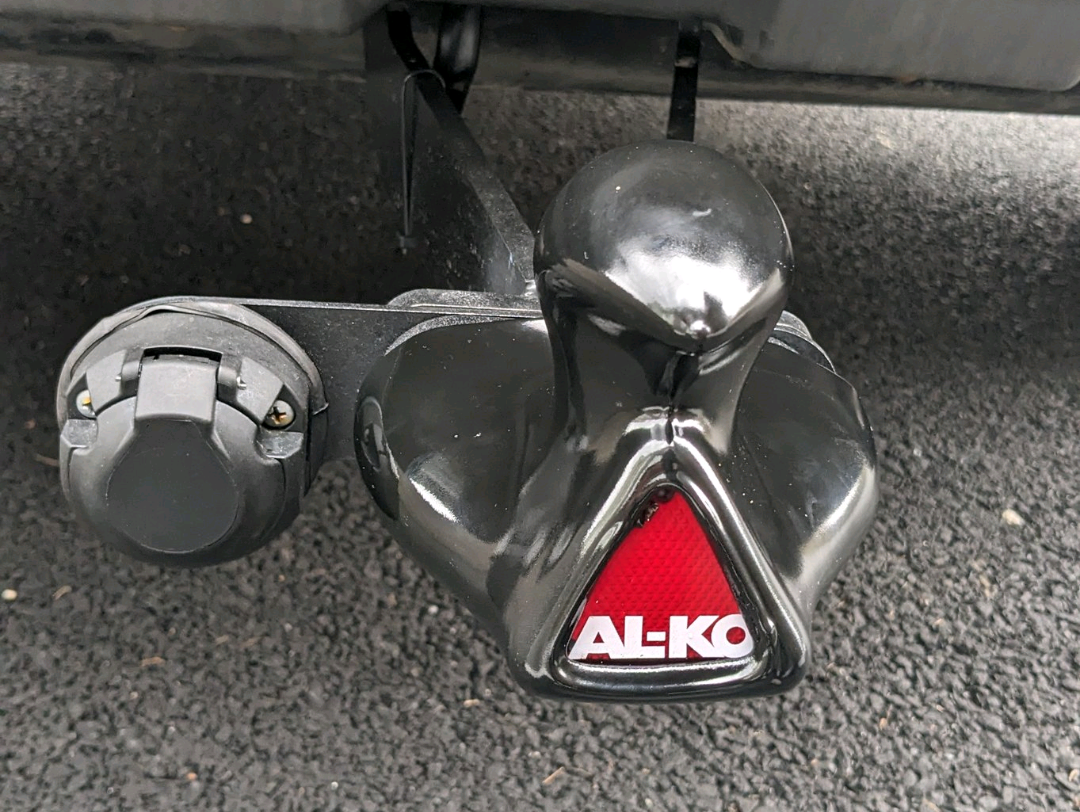
    Alko Towball on towbar
    Alko towball on towbar

    2. Electrics & Lights

    • Plug in your caravan’s 7-pin or 13-pin connector and do a light check.
    • Make sure brake lights, indicators, tail lights, fog lights, and reversing lights all work properly.
    • If your lights flicker or don’t work, check for corrosion or dirt in the socket.

    3. Towing Mirrors

    Using towing mirrors isn’t just helpful—it’s the law if your caravan is wider than your car.

    We personally use the Emuk XL universal towing mirrors (Affiliate link), and we absolutely love them. They’re super stable, easy to fit, and give us a clear, extended view down the side of the caravan. That extra visibility makes a huge difference when changing lanes, reversing, or checking for overtaking traffic.

    Legal Note: You must be able to see 20 metres behind and 4 metres to the side of your caravan. No excuses—mirrors matter!

    4. Tyre Checks

    • Check your car’s tyre pressure, including the spare.
    • Inspect tyre tread depth and look for any cracks or bulges.
    • Make sure your caravan tyres are also in good condition!

    5. Fluids & Brakes

    • Top up oil, coolant, and windscreen wash.
    • Ensure your brakes feel firm and responsive.
    • Remember—your car is working harder when towing, so everything needs to be in tip-top shape.

    Caravan Hitch-Up Safety Checks

    Once your car is ready, it’s time to hook up the caravan. Here’s our safety checklist that we do every single time before we drive off:

    1. Check the Hitch

    • Make sure the caravan is properly hitched onto the tow ball.
    • You should hear a satisfying “click” as the hitch engages.
    • Double-check by winding the jockey wheel down and confirming the hitch stays on.

    2. Breakaway Cable (Affiliate link)

    This vital safety cable engages the caravan brakes if it becomes detached from the tow car.

    • Clip it to a designated point on your tow bar (not just looped around).
    • Make sure it’s not dragging on the ground or overly taut.

    3. Jockey Wheel

    • Wind it fully up and clamp it securely out of the way.
    • Stow the handle so it won’t fall or get caught.

    4. Corner Steadies

    • Wind up all four caravan corner steadies.
    • Store the winding handle securely.

    5. Windows, Rooflights, & Doors

    • Make sure everything is shut, locked, and latched.
    • Don’t forget to lock any external lockers.

    6. Interior Prep

    • Secure all loose items inside the caravan.
    • Make sure cupboards, fridge, and oven doors are latched.
    • Turn off the gas at the bottle.

    🧠 Knowing the Law: Weight, Licences & Limits

    ⚖️ Towing Limits and the Law

    • Stay under your car’s braked towing capacity—no excuses.
    • Do not exceed your Gross Train Weight (GTW): this is the combined maximum weight of your car + loaded caravan.
    • If your caravan is over 750kg, it must have its own braking system.

    Driving Licence Categories

    Depending on when you passed your test, you may have restrictions on what you can tow:

    • If you passed your test before 1 Jan 1997, you can tow a combined weight up to 8.25 tonnes.
    • If you passed between 1 Jan 1997 and 18 Jan 2013, your combined weight limit was 3.5 tonnes—unless you took a B+E test.
    • After December 2021, Category B drivers can now tow trailers up to 3,500kg, but you should still check your own licence for confirmation.
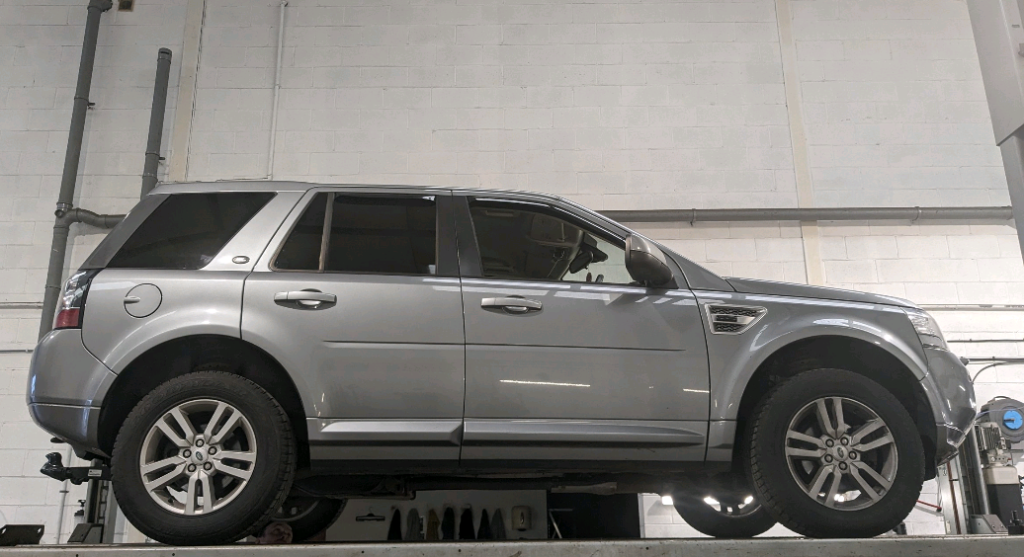
    Pre Towing Checks on the Freelander
    Pre towing checks on the freelander

    Final Pre-Trip Checklist: Don’t Hit the Road Without It

    Before we leave for any trip, whether it’s a weekend escape or a full family holiday, we run through this final checklist:

    ✅ Task💡 Notes
    Check car & caravan tyre pressureIncluding spares
    Fit towing mirrorsWe love the Emuk XLs
    Confirm hitch & breakaway cableHear the “click”!
    Lights checkBrake, indicators, rear
    Corner steadies raisedHandle stowed
    Gas off at bottleFor safety while towing
    Windows & doors lockedInside & out
    Jockey wheel raisedFully up & clamped
    Number plate on caravanMatches the tow car
    Load weight checkStay under MTPLM and car’s capacity

    Why We Take Towing Prep Seriously

    Towing a caravan is a responsibility—not just to your passengers, but to other road users too. We’ve had a few hiccups along the way (who hasn’t?), but by sticking to our safety checklist and using the right gear, we’ve enjoyed years of smooth, stable towing across Northern Ireland and beyond.

    From getting the AL-KO tow ball fitted to upgrading our towing mirrors and learning the weight ratios inside out, we’ve built confidence trip by trip. And it’s all worth it when we pull into a new pitch, unhook, and start another adventure—whether it’s a peaceful countryside retreat or a Christmas holiday in our beloved Elddis Crusader Aurora.

    Gear We Use and Recommend

    Here are a few bits of kit we personally use and trust:

    • Land Rover Freelander – solid, stable, and a great match for our 4-berth caravan.
    • AL-KO Tow Ball – gives amazing stability with our AL-KO hitch.
    • Emuk XL Towing Mirrors – fantastic visibility and super sturdy.
    • Tyre Pressure Gauge – quick and easy to check before every trip.
    • LED Light Board Tester – helps us catch any electrical issues early.

    Ready for the Open Road?

    There’s no feeling like setting off with the caravan behind you, knowing you’ve done all your checks and prepped your gear. Safe towing starts with your car—but it ends with your attitude. Be thorough, be safe, and enjoy every mile of the journey.

    Whether you’re new to caravanning or a seasoned tourer, making sure your tow car is caravan-ready is the first step to stress-free adventures. Happy towing!

    Also check out our guide on caravan towing covers
  • Travel guide around Northern Ireland in a caravan with an itinerary

    Travel guide around Northern Ireland in a caravan with an itinerary

    Traveling by caravan in Northern Ireland is a fantastic way to explore its stunning landscapes, coastal drives, and historic sites at your own pace. Here’s a guide to help you plan a caravan trip in Northern Ireland:


    🚐 Why Caravan Travel in Northern Ireland?

    • Freedom and Flexibility: Explore the countryside, coasts, and towns without strict itineraries.
    • Scenic Routes: The Causeway Coastal Route is one of the most breathtaking drives in the world.
    • Compact Region: Northern Ireland is relatively small, making it ideal for road trips.

    🗺️ Top Caravan Routes & Destinations

    1. Causeway Coastal Route

    • Highlights: Giant’s Causeway, Carrick-a-Rede Rope Bridge, Dunluce Castle, Ballintoy.
    • Camping Spots:
      • Causeway Coast Holiday Park (near Ballycastle)
      • Glenmore Caravan & Camping Park

    2. Mourne Mountains & County Down

    • Highlights: Silent Valley, Tollymore Forest Park, Newcastle seaside town.
    • Camping Spots:
      • Tollymore Forest Park Caravan Site
      • Annalong Holiday Park
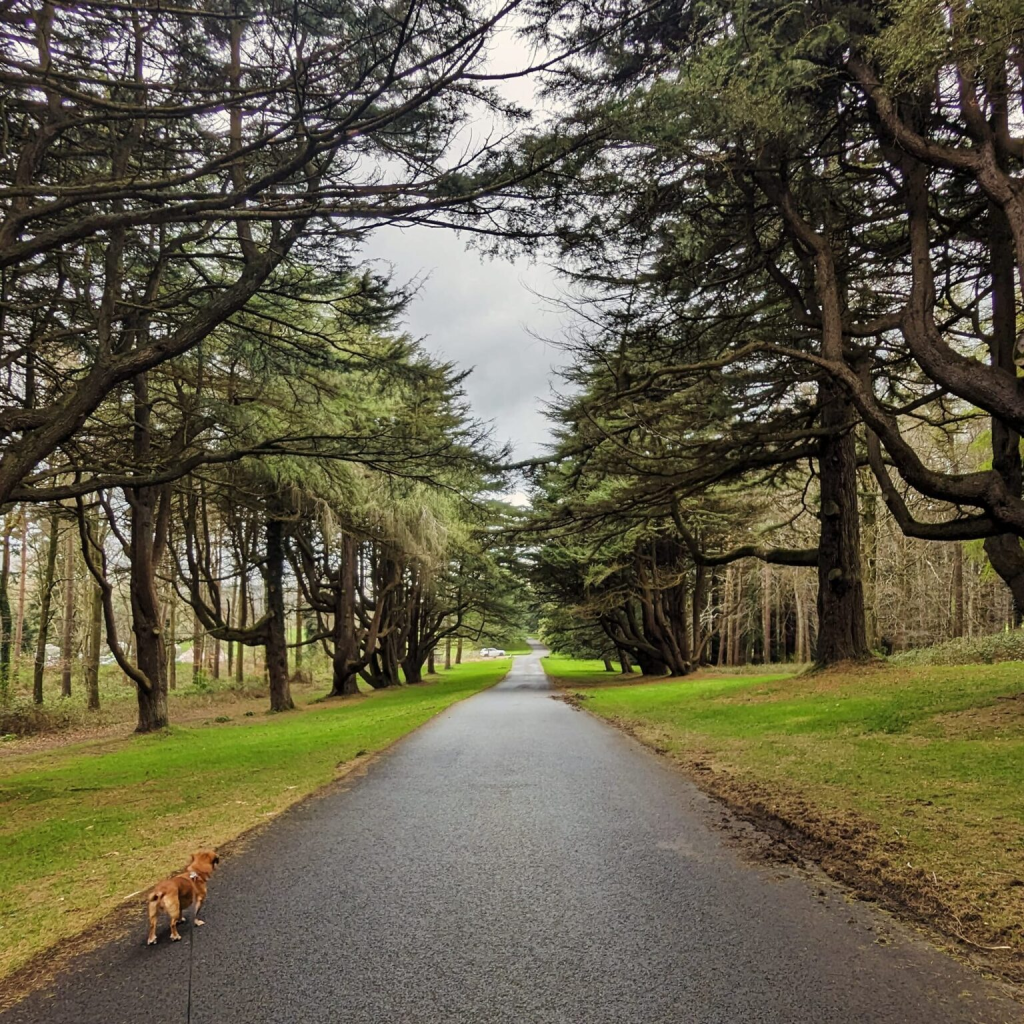
    Tollymore Forest Park Avenue
    Tollymore Co. Down

    3. Fermanagh Lakelands

    • Highlights: Lough Erne, Enniskillen Castle, Marble Arch Caves.
    • Camping Spots:
      • Blaney Caravan Park
      • Rushin House Caravan Park

    4. Derry~Londonderry & Sperrins

    • Highlights: Historic Derry walls, Sperrin Mountains, Beaghmore Stone Circles.
    • Camping Spots:
      • Drumaheglis Marina & Caravan Park
      • Dungiven Castle Campsite

    🏕️ Recommended Caravan Parks

    • Six Mile Water Caravan Park (Antrim)
    • Jordanstown Loughshore Caravan Park (Belfast area)
    • Castle Archdale Caravan Park (Fermanagh)
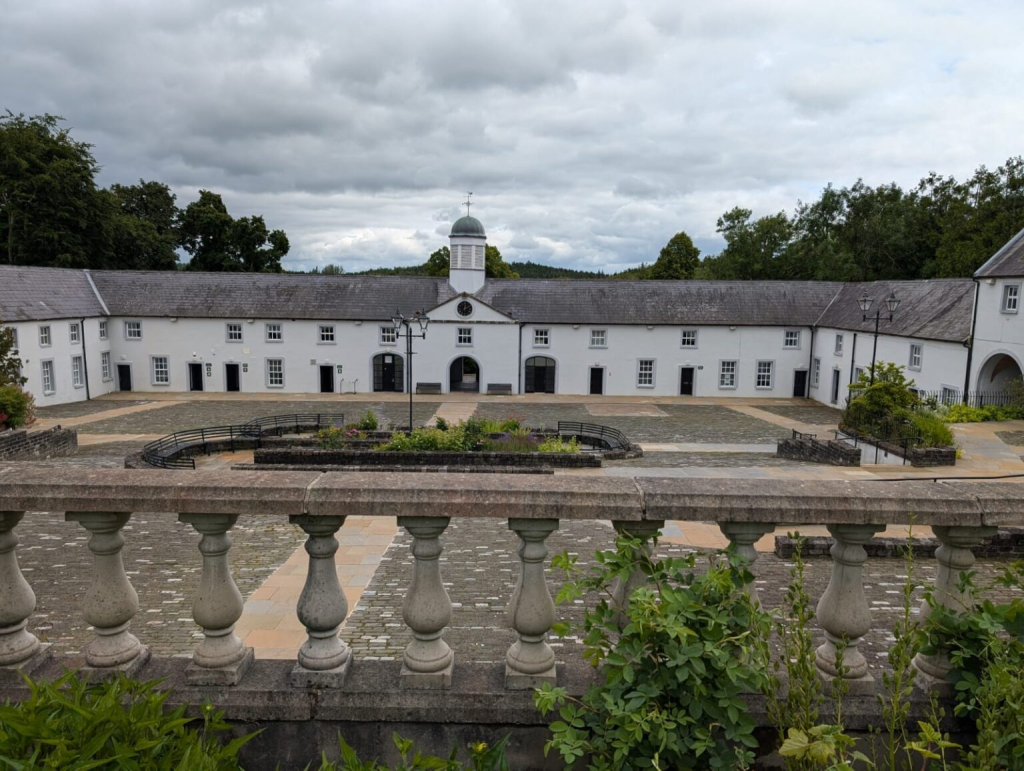
    Castle Archdale court yard
    Castlearchdale Co. Fermanagh

    💡 Tips for Caravaning in Northern Ireland

    • Driving: Left-hand side of the road; rural roads can be narrow.
    • Weather: Pack for all conditions — it can change rapidly.
    • Booking: Reserve popular sites in advance, especially in summer.
    • Wild Camping: Restricted in Northern Ireland. Stick to designated sites unless you get landowner permission.

    🚦 Need a Rental Caravan?

    There are several local rental services such as:

    • Bunk Campers (Belfast-based)
    • Causeway Campers
    • Go Explore NI

    🗓️ 7-Day Northern Ireland Caravan Itinerary

    Day 1: Belfast

    • Things to Do:
      • Titanic Belfast Museum
      • Crumlin Road Gaol
      • St. George’s Market
    • Stay:
      🏕 Jordanstown Loughshore Caravan Park (15 mins from city center with views over Belfast Lough)

    Day 2: Antrim Coast to Ballycastle (Causeway Coastal Route)

    • Drive: Roughly 1.5 hours via A2 (scenic) pending traffic or if any road works double check the route before setting off.
    • Stops:
      • Carrickfergus Castle
      • The Gobbins cliff path (advance booking needed)
      • Glenarm Castle Gardens
    • Stay:
      🏕 Causeway Coast Holiday Park (Ballycastle)

    Day 3: Giant’s Causeway & Surrounds

    • Explore:
      • Giant’s Causeway (UNESCO)
      • Dunluce Castle
      • Bushmills Distillery (optional tasting tour)
    • Stay:
      🏕 Glenmore Caravan and Camping Park (close to Ballintoy/Causeway)

    Day 4: Derry~Londonderry

    • Drive: ~1.5 hrs (Check route for any road closures etc before setting off. Timing pending on level of traffic and road conditions)
    • Explore:
      • Walk the historic Derry walls
      • Museum of Free Derry
      • Peace Bridge over the River Foyle
    • Stay:
      🏕 Drumaheglis Marina & Caravan Park or Benone Tourist Complex

    Day 5: Fermanagh Lakelands

    • Drive: 2–2.5 hrs (Check route for any road closures etc before setting off. Timing pending on level of traffic and road conditions)
    • Explore:
      • Marble Arch Caves
      • Boat trip on Lower Lough Erne
      • Enniskillen Castle
    • Stay:
      🏕 Castle Archdale Caravan Park (lakeside)
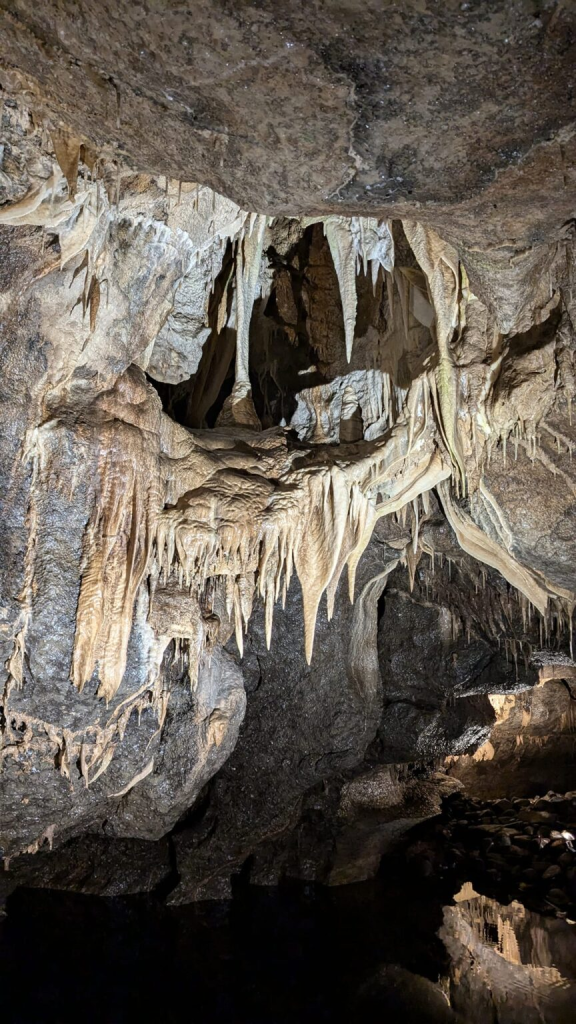
    Marble Arch Caves Fermanagh
    Marble Arch Caves

    Day 6: Mourne Mountains / Tollymore Forest

    • Drive: 2.5 hrs (Check route for any road closures etc before setting off. Timing pending on level of traffic and road conditions)
    • Explore:
      • Silent Valley Reservoir
      • Tollymore Forest Park (Game of Thrones filming location)
      • Newcastle town and beach
    • Stay:
      🏕 Tollymore Forest Park Caravan Site

    Day 7: Return to Belfast via Strangford Lough

    • Optional Stops:
      • Downpatrick (St. Patrick’s grave)
      • Mount Stewart House & Gardens (National Trust)
      • Scenic ferry across Strangford Lough
    • Return caravan (if rented) or overnight again at Jordanstown
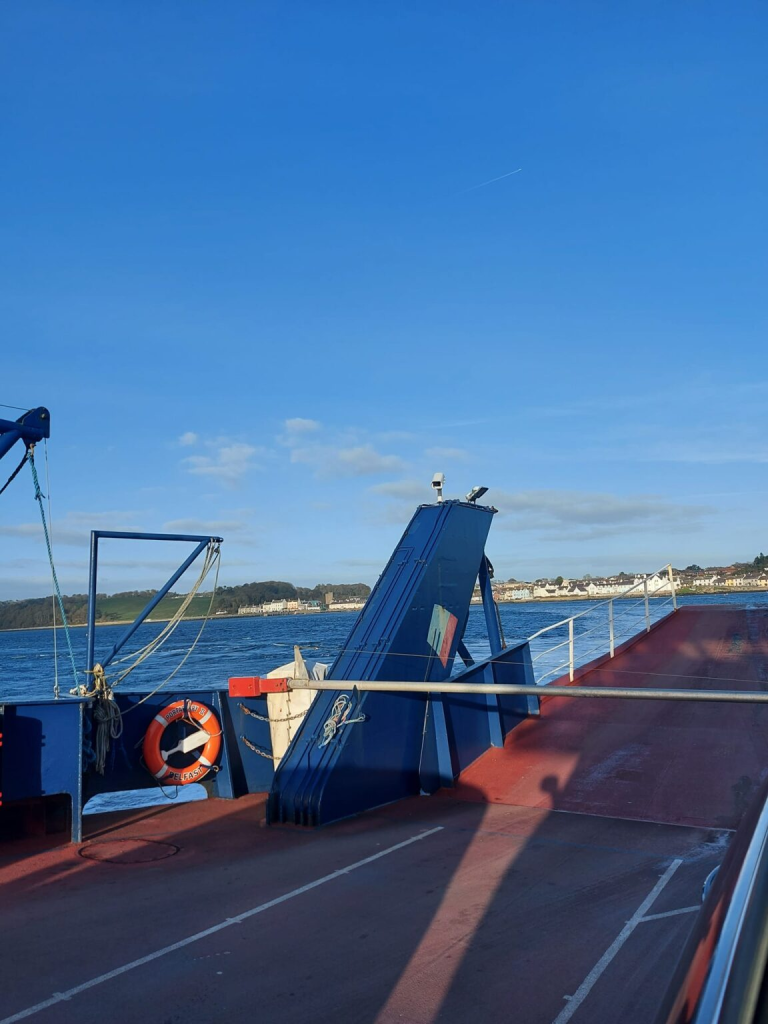
    Strangford Ferry
    Strangford to Portaferry Boat

    📌 Notes:

    • All suggested sites are caravan-accessible or have parking nearby.
    • Fuel is widely available, but top up before long rural stretches.
    • Most caravan parks offer electric hook up, water, and waste disposal.
    • This is only a rough guide it can be extended or shortened or done which ever way you prefer.

    Here are some caravanning essentials:

    Blue chemical toilet fluid – (Click here)

    Rain Poncho – (Click here)

    Flash Light – (Click here)

  • Travel around Irelands Wild Atlantic Way

    Travel around Irelands Wild Atlantic Way

    Embarking on a caravan or campervan journey along Ireland’s Wild Atlantic Way offers an unparalleled adventure through some of the country’s most breathtaking landscapes. Spanning approximately 2,600 km (1,600 miles), this coastal route stretches from the Inishowen Peninsula in County Donegal to the charming town of Kinsale in County Cork, traversing nine counties and showcasing a diverse array of natural wonders, historic sites, and vibrant communities.


    🗺️ Suggested 14-Day Campervan Itinerary

    Day 1–2: Belfast to Donegal (via Causeway Coast)

    • Begin your journey in Belfast, exploring the Causeway Coastal Route with highlights like the Giant’s Causeway, Carrick-a-Rede Rope Bridge, and Dunluce Castle.
    • Cross into County Donegal, reaching Malin Head, the northernmost point of Ireland.
    • Overnight options: Campsites near Malin Head or in Buncrana.
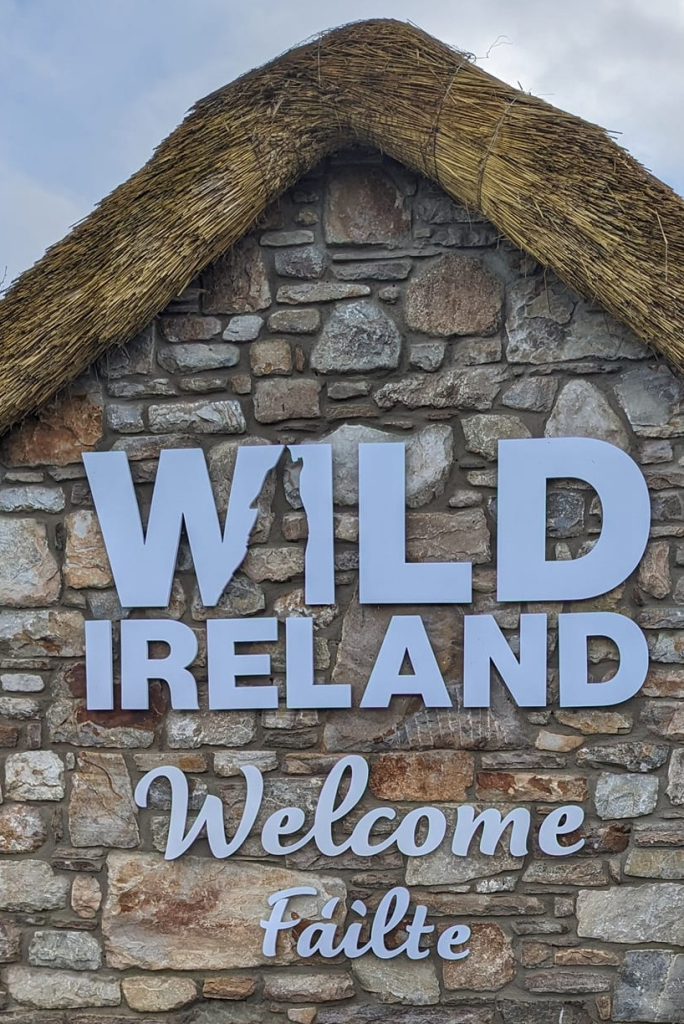
    Wild Ireland
    Wild Ireland

    Day 3–4: Donegal to Sligo

    • Visit the stunning Slieve League Cliffs, among the highest sea cliffs in Europe.
    • Explore Glenveagh National Park and its castle.
    • Continue to Sligo, known for its surfing beaches and literary heritage.
    • Overnight options: Campsites near Strandhill or Rosses Point.

    Day 5–6: Sligo to Mayo

    • Drive through the scenic landscapes of County Mayo, stopping at Downpatrick Head and the Céide Fields.
    • Explore Achill Island, connected to the mainland by a bridge, offering dramatic coastal views.
    • Overnight options: Campsites on Achill Island or near Westport.

    Day 7–8: Mayo to Galway

    • Travel through Connemara, visiting Kylemore Abbey and the Twelve Bens mountain range.
    • Spend time in Galway City, enjoying its vibrant arts scene and historic sites.
    • Overnight options: Campsites near Clifden or Salthill.

    Day 9–10: Galway to Clare

    • Visit the Cliffs of Moher and the unique limestone landscape of the Burren.
    • Explore the traditional music village of Doolin.
    • Overnight options: Campsites in Doolin or Lahinch.

    Day 11–12: Clare to Kerry

    • Take the ferry from Killimer to Tarbert, entering County Kerry.
    • Drive the scenic Ring of Kerry, with stops at Killarney National Park and Muckross House.
    • Explore the Dingle Peninsula, known for its rugged beauty and Gaelic culture.
    • Overnight options: Campsites near Killarney or Dingle.

    Day 13–14: Kerry to Cork

    • Visit the Beara Peninsula and Mizen Head, the southwesternmost point of Ireland.
    • Conclude your journey in Kinsale, a historic port town with gourmet restaurants.
    • Overnight options: Campsites near Kinsale or Clonakilty.

    🏕️ Camping Tips & Resources

    • Campsites: Ireland offers numerous campsites along the Wild Atlantic Way, many equipped with facilities for campervans. It’s advisable to book in advance during peak seasons.
    • Wild Camping: While wild camping is technically not permitted, it’s often tolerated in remote areas if done respectfully. Always seek landowner permission and adhere to Leave No Trace principles.

    🚐 Campervan Hire Options

    • Bunk Campers: Offers a range of campervans suitable for couples, families, or groups, with depots in Dublin and Belfast.
    • Craic N Campers: Provides campervan rentals with detailed itineraries and travel advice.
    • Cookies Campers: Specializes in campervan hire with suggested 14-day itineraries covering the Wild Atlantic Way.

    📍 Highlights & Discovery Points

    • Malin Head: Ireland’s northernmost point, offering dramatic coastal views.
    • Slieve League Cliffs: Towering sea cliffs providing breathtaking panoramas.
    • Cliffs of Moher: Iconic cliffs rising 214 meters above the Atlantic Ocean.
    • Ring of Kerry: A scenic drive through mountains, lakes, and coastal villages.
    • Mizen Head: Home to a signal station and stunning sea views.

    Here is some handy car/camper travelling essentials and gadgets:

    Car seat tablet holder mount (Click here)

    Car Seat Organizer (Click here)

    Travel cushion for longer journeys (Click here)

    Thermal mug (Click here)