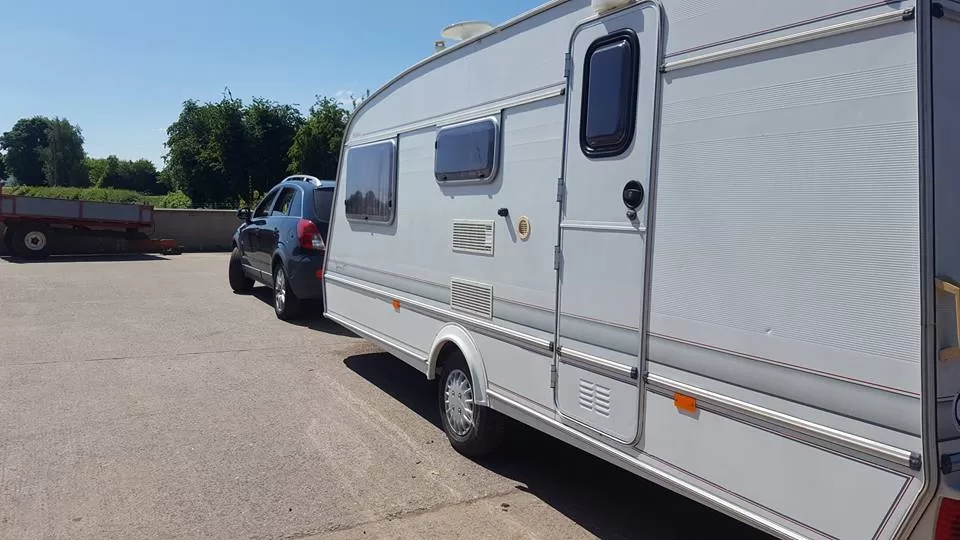
How to Winterize Your Caravan: A Complete Step-by-Step Guide for Beginners
If you’re a proud caravan owner, you know it brings endless freedom and joy throughout the spring and summer months. But when colder weather rolls in, winterizing your caravan is essential to protect it from frost damage, damp, mould, and wear caused by long periods of storage.
Whether you’re storing your caravan on your drive, in a storage facility, or even using it occasionally through winter, this step-by-step beginner’s guide will walk you through exactly how to winterize your caravan—safely and confidently.
Why Winterizing Your Caravan Is Essential
Before diving into the practical steps, let’s quickly cover why winterizing matters:
- Prevents frozen and burst water pipes
- Avoids damage to pumps, boilers, and water systems
- Stops build-up of mould, mildew, and bad smells
- Prolongs battery life and prevents electrical faults
- Saves costly repairs come springtime
Even if you’re planning a few winter trips, these steps will help keep your caravan in tip-top condition in between outings.
What You’ll Need –
Contains Affiliate links below
Here are the tools and materials you might want to gather before starting:
- Towels and cloths
- Water container for draining
- Caravan water pump and plug removal tools
- Caravan antifreeze (non-toxic for use in waste systems—not for drinking water!)
- Moisture absorbers or dehumidifiers
- WD-40 or silicone spray
- Vacuum and cleaning products
- Battery charger/monitor
- Insulated covers for vents/chimneys (if storing outside)
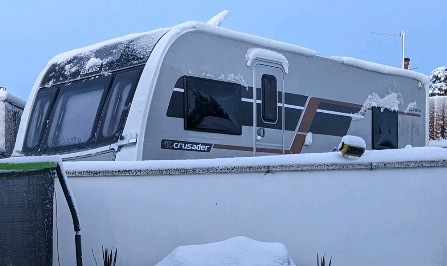
Step-by-Step Guide to Winterizing Your Caravan
Step 1: Deep Clean the Interior
Before shutting up your caravan for weeks or months, give it a good clean.
- Empty all cupboards and remove food: Even sealed packets can attract pests.
- Wipe down all surfaces, including kitchen units, table tops, and bathroom fixtures.
- Vacuum thoroughly: Especially around beds and seating where crumbs gather.
- Clean the fridge/freezer: Leave the door ajar and place a cloth inside to absorb moisture.
- Empty and clean bins and toilet cassette.
Tip: Add a dish of bicarbonate of soda inside the fridge to absorb smells.
Step 2: Drain Down the Water System
One of the most important steps. Water left in pipes, tanks, or appliances can freeze and cause serious damage.
How to Drain the Water System:
- Turn off the water pump and heater:
- Ensure both are off and disconnected from power.
- Let the boiler cool if it was recently used.
- Open all taps and shower heads:
- Open both hot and cold sides of the mixer taps.
- Remove any showerheads and leave the hoses hanging down.
- Open the drain valve (usually found near the onboard water tank or under the floor):
- This allows the water to run out completely.
- You may want to place a bucket or container underneath if you’re not on a service pitch.
- Blow out remaining water (optional but recommended):
- You can use a low-pressure air pump or specialist device to force air through the pipes.
- Alternatively, lift and lower the tap heads to help any water droplets run down.
- Empty and clean the toilet flush system:
- Remove flush water from the header tank if separate.
- Drain the cassette completely and clean it using a cassette cleaner.
- Use non-toxic caravan antifreeze (only for waste tanks or traps):
- Pour a little into each plughole, shower trap, and the toilet to prevent seals drying out and freezing.
- Do not use antifreeze in drinking water tanks or pipes.
Tip: Leave all drain valves open until spring and remove water filters if installed.
Step 3: Ventilation Is Key
Contrary to instinct, sealing your caravan too tightly can cause condensation and damp.
- Leave internal doors and cupboards open to allow air flow.
- Lift up cushions and mattresses and store them on their sides or at an angle.
- Use moisture traps or dehumidifiers (silica crystal types are good for winter).
- Keep roof vents slightly open with vent covers to prevent snow/rain ingress.
Tip: If storing your caravan indoors or undercover, consider removing soft furnishings entirely.
🔌 Step 4: Disconnect and Maintain the Battery
Caravan leisure batteries hate cold and inactivity. Here’s how to protect yours:
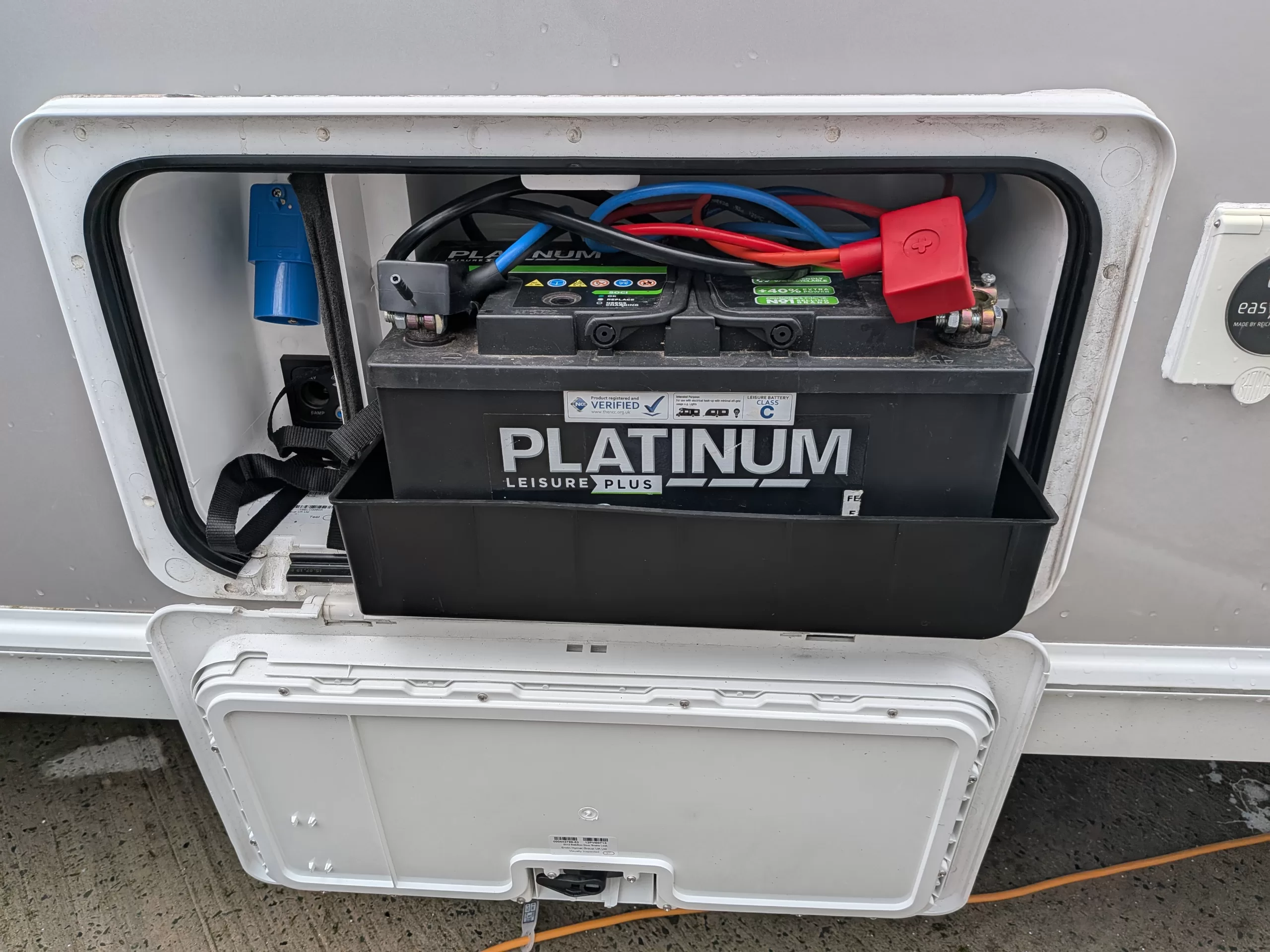
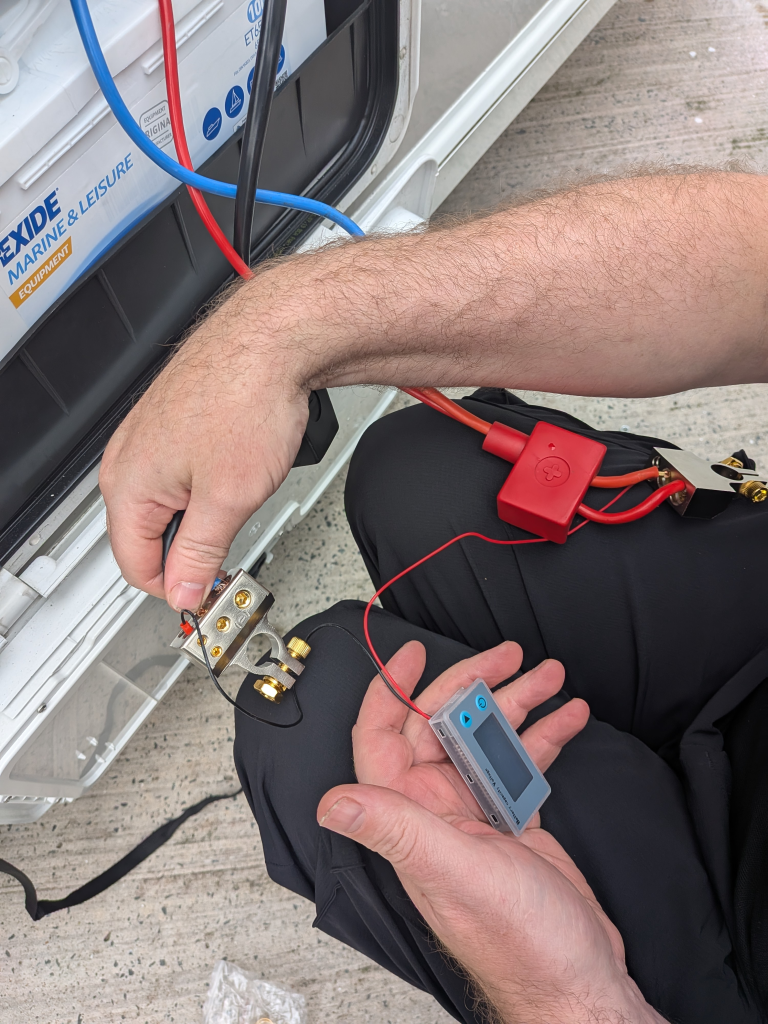
- Disconnect the battery from the caravan entirely.
- Store it indoors or in a dry, frost-free location.
- Charge every 4–6 weeks or use a smart charger with a maintenance mode.
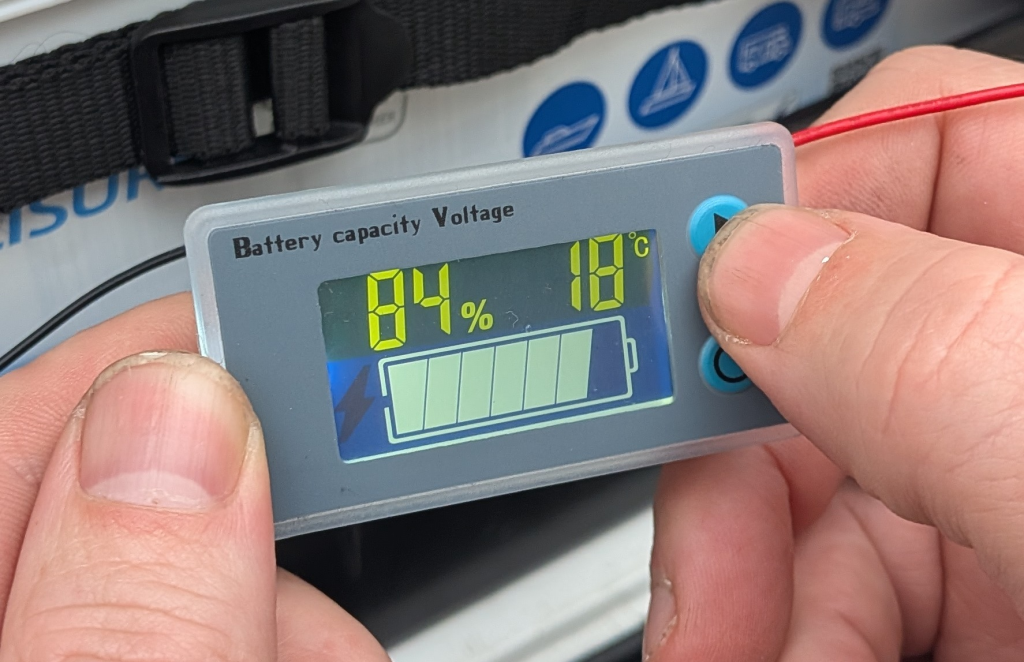
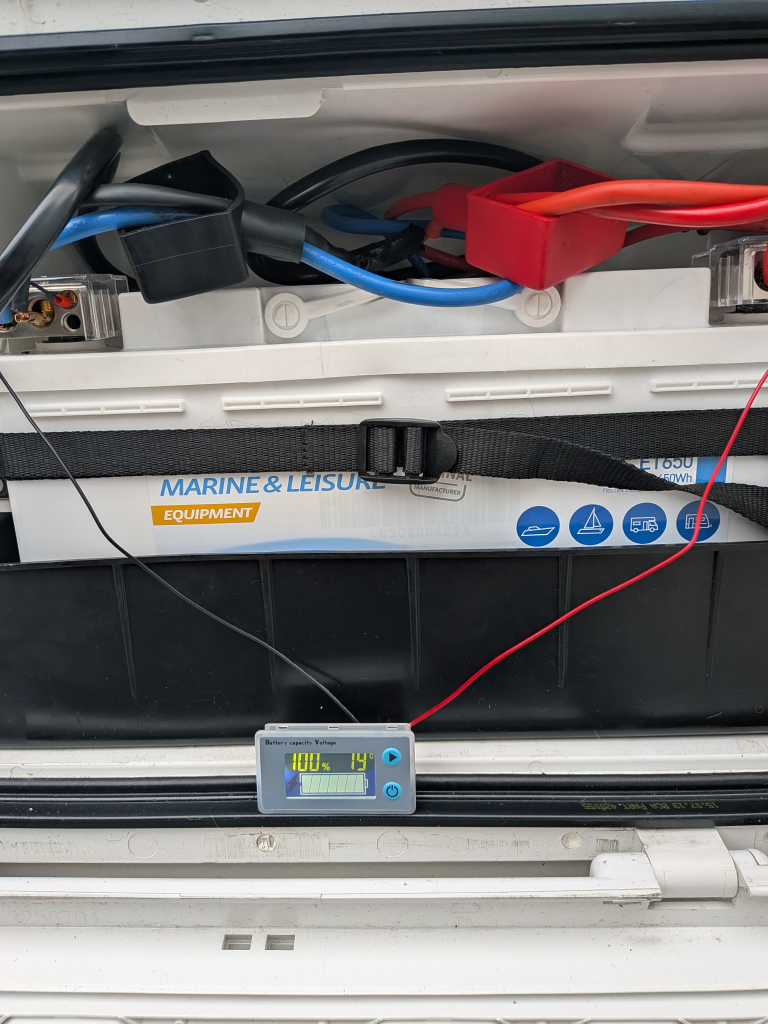
- Check voltage regularly using a battery monitor or voltmeter (keep above 12.4V ideally).
Tip: Never leave a discharged battery through winter—it shortens lifespan significantly.
Step 5: Exterior Protection and Sealing
Your caravan’s bodywork, seals, and exterior fittings also need winter protection:
- Wash and wax the exterior:
- Remove grime, algae, and black streaks.
- Use a quality caravan-safe wax to repel moisture.
- Inspect all seals around windows, doors, skylights, and vents:
- Apply a silicone lubricant or rubber seal conditioner if needed.
- Lubricate locks, hinges, and corner steadies:
- Use WD-40 or specialist spray to prevent seizing up.
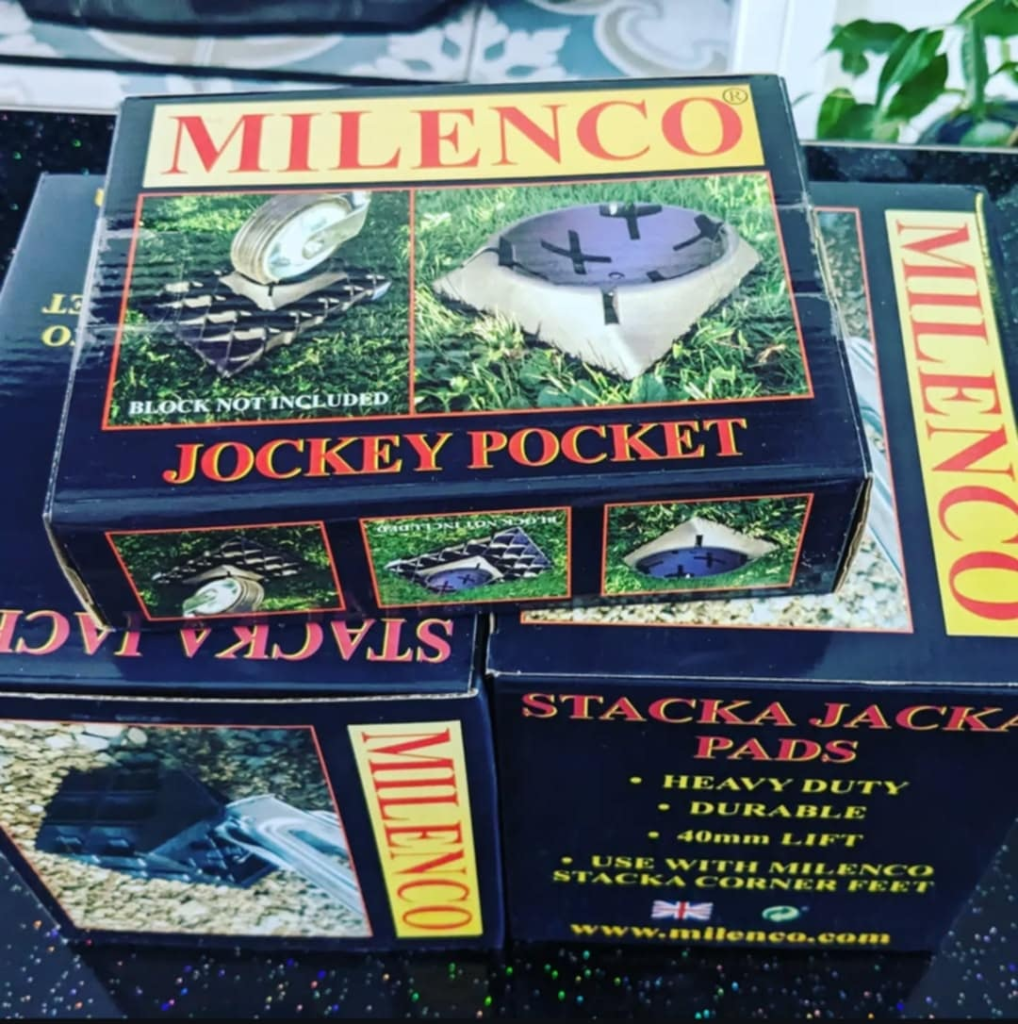
- Fit wheel covers and levelling blocks:
- Helps avoid flat spots on tyres.
- If possible, rotate wheels monthly or move the van slightly.
- Use a breathable caravan cover:
- Don’t use tarps or plastic sheeting—they trap moisture.
- Ensure cover fits well and allows for airflow.
Tip: If on a seasonal pitch, raise your jockey wheel and stabilisers slightly to keep the chassis from sitting in wet ground.
Step 6: Clean and Protect the Toilet System
Often forgotten—but crucial!
- Empty the toilet cassette completely.
- Rinse with a toilet tank cleaner to remove limescale and sludge.
- Lubricate the seals using silicone spray.
- Leave the blade slightly open to prevent it sticking over winter.
Tip: Never use domestic bleach—it damages seals.
Step 7: Secure and Store Safely
When your caravan’s ready for storage, don’t forget these final steps:
- Remove all valuables including electronics, TVs, and satellite dishes.
- Close blinds/curtains halfway to prevent sun fading but allow visibility (to show it’s empty).
- Lock all windows and doors and double-check security devices.
- Engage wheel clamps, hitch locks, and alarms.
- Check insurance requirements for winter storage.
Tip: If you store your caravan at home, consider motion-sensor lights or a tracker for added security.
What NOT to Do When Winterizing
Let’s cover a few common mistakes to avoid:
| Mistake | Better Option |
|---|---|
| Leaving food or crumbs inside | Remove all food and clean thoroughly |
| Sealing every vent and window | Maintain airflow with covers and dehumidifiers |
| Leaving the battery in place and flat | Remove and maintain charge monthly |
| Forgetting to open taps when draining | Open all taps, showers, and drain valves |
| Using domestic antifreeze | Use only non-toxic caravan-safe antifreeze |
| Covering with a plastic tarp | Use a breathable caravan cover |
Optional Extras for Winterizing Like a Pro
If you want to go a step further, here are some winter accessories that make life easier:
- Caravan breathable winter cover
- Tyre savers and levellers
- Solar trickle charger for battery
- Portable dehumidifier or crystal traps
- Tow hitch and wheel lock covers
- Ventilation chimney cowls
- Smart battery monitor (Bluetooth enabled)
When Should You Winterize Your Caravan?
Most people winterize their caravan between late October and early December, depending on when you stop touring. If you’re planning winter getaways (Christmas trips or New Year), simply repeat the draining steps between uses.
Reversing the Process in Spring
When you’re ready to hit the road again in spring:
- Close all drain valves
- Reconnect the water system
- Sanitize the fresh water tank
- Check for signs of damp or rodent entry
- Reinstall the battery
- Run checks on gas, electrics, and heating
- Air out all soft furnishings
Tip: A spring caravan service is well worth booking ahead!
Final Thoughts: Protect Your Investment All Year Round
Winterizing your caravan isn’t just for peace of mind—it protects your investment, ensures a long-lasting lifespan, and sets you up for stress-free touring come springtime.
While the first time can feel a bit intimidating, following this simple guide makes the process easy. Once you’ve done it once, it becomes a routine task each year.
So grab a hot drink, set aside an afternoon, and give your caravan the winter prep it deserves!