Category: Relaxtion

  • Positive thinking and changing your mindset

    Positive thinking and changing your mindset

    I Didn’t Just Book a Holiday! — I Trusted the Universe and used Law of attraction!

    How Belief, Courage, and Alignment Took Us to Lapland… and Beyond

    Some trips are planned with spreadsheets, checklists, and logic.

    Others are booked with your heart.

    Lapland was one of those.

    So is the Greek Isles cruise we have waiting for us.

    Both trips came from a place of belief — not certainty, not guarantees — but trust. And looking back now, I realise something powerful: I didn’t wait for permission from life to live it. I trusted that things would work out, even before I had proof.

    That choice changed everything.


    Lapland Was a Feeling Long Before It Was a Destination

    Lapland had been calling to me for years.

    Not in a loud, obvious way — but quietly. Gently. In that way certain places do, where you can’t quite explain why you’re drawn to them, only that you are.

    I imagined snow crunching under our boots.
    I imagined silence so deep it felt healing.
    I imagined my child’s eyes lighting up with wonder — real, pure wonder.

    Lapland wasn’t about Santa or activities or even travel itself. It was about how I wanted us to feel.

    Calm.
    Connected.
    Present.

    And once that feeling settled in my mind, it didn’t leave.


    The Promise I Made to Myself

    For a long time, foreign holidays felt out of reach.

    Not because we didn’t want them — but because life required extra planning, extra caution, extra “what ifs.” Food allergies have a way of making you second-guess everything. They add a layer of fear that people don’t always see.

    I remember saying it out loud, more than once:

    When he starts the egg ladder properly, I’ll book a foreign holiday.

    It felt sensible. Responsible. Safe.

    But deep down, something else was stirring.


    Booking Before the Proof

    Here’s the part that still gives me goosebumps.

    I booked Lapland before my child had officially passed the egg ladder.
    And I booked our Greek Isles cruise before he had passed it too.

    On paper, it probably didn’t make sense.

    But energetically?
    It felt completely right.

    I didn’t book from fear.
    I booked from belief.

    Belief that his progress would continue.
    Belief that we would manage.
    Belief that life didn’t need me to wait until everything was perfect before enjoying it.

    That was manifestation in its purest form — acting as if things were already working out.


    Trusting Without Guarantees Is Real Courage

    Manifestation isn’t about pretending challenges don’t exist. It’s about refusing to let fear make all your decisions.

    Of course I was aware of the risks.
    Of course I had moments of doubt.
    But I chose not to let those moments lead.

    Instead, I focused on intention:

    • Safety
    • Ease
    • Support
    • Positive outcomes

    I visualised smooth journeys. Helpful staff. Understanding people. I pictured us eating safely, laughing freely, enjoying experiences without constant worry.

    And slowly, that vision became our reality.


    Lapland Arrived Exactly When We Needed It

    From the moment we landed, Lapland felt different.

    The air was crisp and clean, like it had been waiting for us. The snow softened everything — sound, stress, even time. Life slowed down in the most beautiful way.

    There was no rush.
    No pressure.
    Just presence.

    I realised then that Lapland wasn’t just a trip — it was a reset.


    Watching Belief Become Reality

    One of the most emotional moments for me wasn’t something dramatic. It was something simple.

    It was the realisation that we were there.

    That I hadn’t waited.
    That I hadn’t postponed joy.
    That I hadn’t told myself “maybe someday.”

    I had trusted. And trust had carried us all the way to the Arctic Circle.


    Children Manifest Without Fear — and Lapland Proved That

    Children don’t need convincing that magic exists.

    Lapland met my child exactly where his belief already lived. The excitement, the wonder, the absolute certainty that something special was happening — it was contagious.

    Watching him thrive in that environment reassured me in ways I didn’t even know I needed.

    It reminded me that my job wasn’t to protect him from every possibility — it was to show him that life can be expansive, joyful, and safe even when it’s unfamiliar.


    Gratitude Was Everywhere

    I felt grateful in a way that was almost overwhelming.

    Grateful that we went when we did.
    Grateful that I trusted my instincts.
    Grateful that I didn’t wait for perfect conditions.

    Every small moment felt significant — warm gloves, shared laughs, quiet walks, deep breaths of icy air.

    Gratitude amplifies manifestation. And Lapland gave me endless reasons to practice it.


    The Greek Isles Cruise: Proof That I No Longer Wait

    Our Greek Isles cruise is still ahead of us — but energetically, it’s already ours.

    It represents something bigger than travel.

    It represents confidence.
    Growth.
    Freedom.

    It’s proof that I no longer wait for life to say “now it’s safe.” I listen inward instead.

    Booking it before the egg ladder was officially passed wasn’t reckless — it was hopeful. It was me saying:

    I trust our journey. I trust his progress. I trust myself.”

    And that trust has been rewarded again and again.


    What These Trips Taught Me About Manifestation

    Lapland and the Greek Isles aren’t just destinations on a map — they’re markers of personal growth.

    They taught me that:

    • Acting in faith changes outcomes
    • Joy doesn’t need to be postponed
    • You don’t need guarantees to move forward
    • Belief is a form of courage

    The universe responds to certainty — not perfection.


    Bringing the Energy Home

    The calm Lapland gave me didn’t stay behind in the snow.

    I brought it home.

    I returned more confident in my decisions, more trusting of my intuition, and more open to saying yes before fear speaks up.

    And that energy is now shaping everything else — including future travels we haven’t even imagined yet.


    If You’re Waiting for “After”, Read This

    If you’re telling yourself:

    • “After this stage passes…”
    • “When things are easier…”
    • “Once we’re fully ready…”

    I understand. Truly.

    But sometimes, the magic happens because you move before the proof arrives.

    Sometimes, booking the trip is the moment things start to fall into place.


    Final Thoughts: Lapland Wasn’t Luck — It Was Alignment

    Lapland didn’t happen because everything was perfect.

    It happened because I trusted that things were unfolding exactly as they should.

    And the Greek Isles will happen for the same reason.

    Travel, for me now, is no longer about escape. It’s about affirmation — proof that life expands when you let it.

    I didn’t just book these trips.

    I believed in them.

    And belief took us exactly where we were meant to be.
  • Seasonal Nature walks and Mental wellbeing

    Seasonal Nature walks and Mental wellbeing

    Seasonal Nature Walks: How Each Season Supports Mental Wellbeing

    There are moments in life when everything feels loud. The to-do lists, the notifications, the expectations, the constant feeling that we should be doing more, being more. For me, those moments are often quieted not by answers, but by stepping outside. A simple walk. No destination. No pressure. Just nature, moving at its own pace, reminding me that I’m allowed to do the same.

    Nature has been a constant support for my mental wellbeing, but what I’ve come to realise over time is that each season offers something different. Each one meets us exactly where we are, emotionally and mentally, if we’re willing to slow down enough to notice.

    This isn’t about hiking mountains or hitting step goals. It’s about gentle, grounding walks. Fifteen minutes. Half an hour. Sometimes longer. Sometimes shorter. What matters is the connection.


    Why Nature Walks Are So Powerful for Mental Wellbeing

    Before diving into the seasons, it’s worth understanding why nature walks have such a profound effect on our mental health.

    When we’re surrounded by natural environments, our nervous system begins to settle. Our breathing slows. Our thoughts soften. Studies consistently show that time spent in nature can reduce anxiety, lower cortisol levels, improve mood, and even enhance creativity and focus.

    But beyond the science, there’s something deeply human about walking among trees, beside water, or under open skies. Nature doesn’t rush us. It doesn’t judge us. It doesn’t expect us to explain ourselves.

    It simply allows us to exist.

    And that, in itself, is healing.


    Spring Walks: Hope, Renewal, and Gentle Growth

    Spring always feels like a deep breath after holding it all winter.

    The days slowly stretch longer, the air softens, and life begins to reappear in quiet, beautiful ways. Buds on branches. Daffodils pushing through the soil. Birds returning with their familiar songs.

    How Spring Supports Mental Wellbeing

    Spring is the season of renewal and hope. Mentally, it can feel like a reset button. After months of heaviness, darker mornings, and indoor living, spring gently invites us back outside.

    For mental wellbeing, spring walks can:

    • Encourage optimism and motivation
    • Reduce feelings of stagnation or low mood
    • Support emotional healing and fresh starts

    There’s something incredibly comforting about witnessing nature begin again. It reminds us that nothing stays frozen forever, even when it feels that way.

    Personal Reflection

    I often find spring walks especially emotional. Not in a sad way, but in a quietly hopeful one. There’s a sense that even after hard seasons, growth is still possible. Even when things felt heavy for a long time, life finds a way to bloom again.

    Some of my favourite spring walks are slow and observant. I notice the tiny details — new leaves unfurling, lambs in nearby fields, the smell of damp earth warming in the sun. It feels like permission to start gently, without pressure.

    Spring Walking Tips for Mental Health

    • Walk without headphones occasionally and listen to birdsong
    • Choose routes with wildflowers, parks, or woodland paths
    • Set intentions rather than goals — how do you want to feel after the walk?

    Summer Walks: Presence, Energy, and Emotional Release

    Summer walks feel different. Brighter. Warmer. More alive.

    The longer days invite us outside in the evenings, when the light lingers and the air feels softer. There’s a sense of freedom in summer that’s hard to replicate any other time of year.

    How Summer Supports Mental Wellbeing

    Summer encourages presence and joy. It’s a season that invites us to fully experience the moment.

    Mental health benefits of summer walks include:

    • Boosted mood from sunlight and vitamin D
    • Reduced stress and tension
    • Increased feelings of connection and gratitude

    Summer walks often feel less about reflection and more about being. Feeling the warmth on your skin. Hearing laughter drifting through open windows. Watching the world move.

    Personal Reflection

    Some of my favourite mental health moments happen on summer evenings. Walking just before sunset, when everything feels calmer and quieter. The day’s worries seem less intense, softened by golden light.

    When anxiety feels overwhelming, summer walks help me release it physically. I walk it out. I breathe it out. I let it dissolve into the open air.

    Summer Walking Tips for Mental Health

    • Walk early morning or evening to avoid heat overwhelm
    • Stay hydrated and choose shaded routes
    • Let go of structure — wander where feels good

    Autumn Walks: Letting Go, Reflection, and Emotional Processing

    Autumn is my most emotionally grounding season.

    There’s something deeply comforting about crisp air, crunchy leaves underfoot, and skies that feel bigger somehow. Autumn doesn’t rush change — it eases into it.

    How Autumn Supports Mental Wellbeing

    Autumn teaches us about letting go.

    Mentally, it’s a powerful season for:

    • Emotional processing and reflection
    • Accepting change and transition
    • Releasing what no longer serves us

    Watching leaves fall reminds us that shedding isn’t failure — it’s necessary.

    Personal Reflection

    Autumn walks feel like therapy sessions without words. I often walk through forest parks or tree-lined paths, letting my thoughts come and go without judgement.

    There’s a permission in autumn to slow down. To rest. To acknowledge what’s been heavy and gently lay it down.

    When life feels overwhelming, autumn reminds me that it’s okay to release expectations, habits, or even versions of myself that no longer fit.

    Autumn Walking Tips for Mental Health

    • Choose woodland walks for grounding
    • Wear cosy layers to feel safe and comfortable
    • Use walks as a space to reflect, not problem-solve

    Winter Walks: Stillness, Resilience, and Inner Strength

    Winter walks are often underestimated.

    Yes, they can be cold. Yes, they require more effort. But they also offer something incredibly powerful — stillness.

    How Winter Supports Mental Wellbeing

    Winter encourages us inward, but not into isolation — into self-connection.

    Mental wellbeing benefits include:

    • Building resilience and routine
    • Reducing seasonal low mood
    • Encouraging mindfulness and presence

    There’s a quiet strength in winter walks. A sense of achievement in showing up, even when it’s hard.

    Personal Reflection

    Winter walks have supported me through some of my toughest mental health periods. When motivation is low and anxiety is high, even a short walk feels like an act of self-care.

    The world feels quieter in winter. Less demanding. More forgiving. I often return home feeling calmer, clearer, and proud of myself for stepping outside.

    Winter Walking Tips for Mental Health

    • Keep walks short and manageable
    • Dress warmly and comfortably
    • Focus on breath, movement, and grounding

    How to Create a Seasonal Walking Ritual for Mental Wellbeing

    One of the most powerful things you can do is turn nature walks into a seasonal ritual, rather than a task.

    This might look like:

    • Choosing one favourite walk per season
    • Noticing how your emotional needs change
    • Allowing your pace to match the season

    Nature doesn’t expect consistency. It expects honesty.

    Some days you’ll walk far. Other days, just to the end of the road. Both count.


    Final Thoughts: Walking Through Life, One Season at a Time

    Mental wellbeing isn’t linear. Neither is nature.

    Some seasons feel light and expansive. Others feel heavy and quiet. All of them have something to teach us, if we’re willing to listen.

    Seasonal nature walks have taught me that healing doesn’t always look like progress. Sometimes it looks like pausing. Sometimes it looks like releasing. Sometimes it looks like simply putting one foot in front of the other.

    And that is more than enough.

    Find our other blogs here

    Grounding with Nature and Tree Bathing: Natural Ways to Improve Your Mental Wellbeing

  • The Healing Power of Nature

    The Healing Power of Nature

    How Getting Outdoors Helps Ease Stress and Anxiety

    In today’s busy world, stress and anxiety can creep up on us before we even realise it. For many of us, myself included, mental health isn’t just an occasional challenge—it’s something we live with and manage every day. I’ve suffered with anxiety and panic attacks for most of my life. At times, the weight of it all has felt overwhelming. But if there’s one thing that consistently helps lift that heavy fog, it’s getting out into nature.

    Whether it’s walking through a quiet forest, listening to the waves crash on a beach, or even a short stroll through the local park, nature has become a lifeline for me—and I know I’m not alone. Science backs it up, and so do countless people who’ve found solace in the natural world. So, let’s explore why nature is so powerful for our mental well-being, the benefits of spending time outside, and some simple yet joyful ways to reconnect with the great outdoors.


    My Journey with Anxiety—and How Nature Helped

    I’ve lived with anxiety for as long as I can remember. From heart-racing panic attacks to the kind of low moods that make you want to shut the world out, it’s been a journey of ups and downs. I used to think the answer had to be big and dramatic—a total life overhaul, some magical solution. But sometimes, the smallest changes make the biggest impact.

    One of those small changes for me was choosing to spend just 15 or 30 minutes outside. It started with little walks around the block when I felt a panic attack bubbling up. Then I began exploring local forest parks, taking slow strolls through the trees, breathing deeply, and just letting the world quieten down. I still remember the first time I sat alone on a beach, wrapped in a blanket, letting the sound of the waves soothe me. No phone. No pressure. Just me and nature.

    That feeling—that peace—is something I now actively seek. I’ve learned that even the shortest bit of time in nature can reset my mind. It doesn’t cure anxiety, but it grounds me. It gives me space to breathe. And on my worst days, it reminds me that I’m not alone in how I feel.

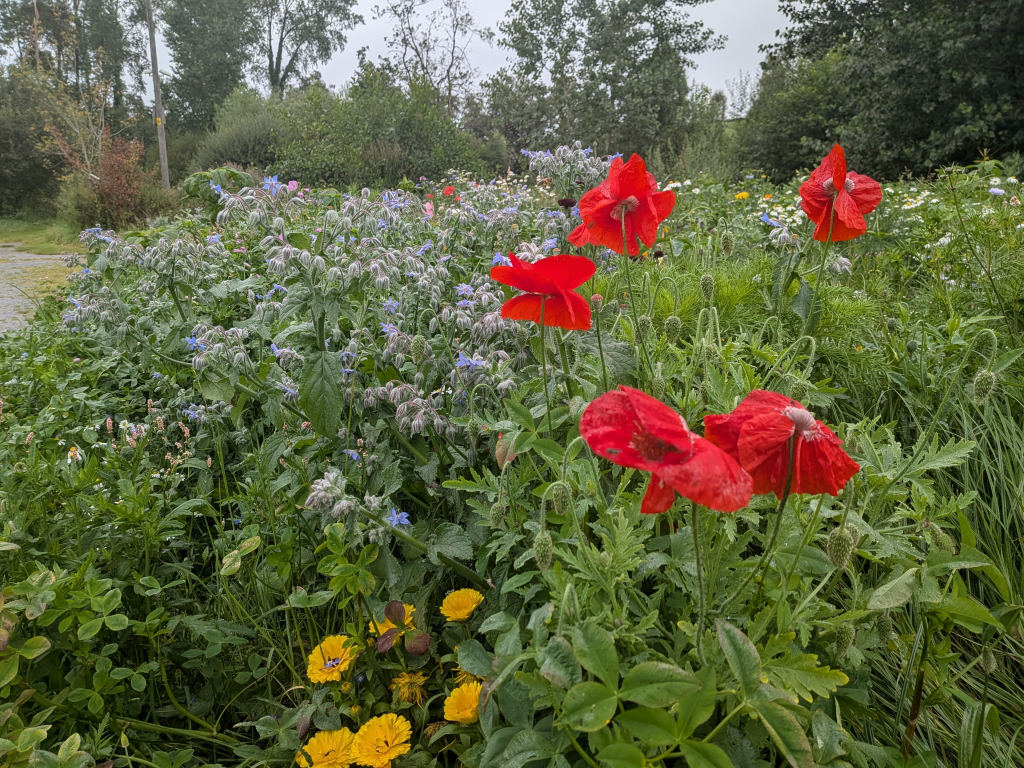
    Wild flowers spotted on a relaxing nature walk
    Wild flowers spotted on a relaxing nature walk

    The Science Behind Nature’s Mental Health Benefits

    It’s not just a hunch—there’s real science to back up why getting out into nature helps us feel better:

    1. Reduces Cortisol (the Stress Hormone)

    When we’re in natural settings, our body naturally lowers its cortisol levels. Cortisol is responsible for that “fight or flight” feeling—racing heart, tight chest, anxious thoughts. Spending time in nature helps our nervous system shift from “survival mode” to “rest and restore.”

    2. Boosts Serotonin and Dopamine

    These are the brain’s “feel good” chemicals, and they’re boosted when we spend time outdoors, especially in green spaces. Think of it as a natural mood-lifting prescription—without the side effects.

    3. Improves Focus and Attention

    Ever notice how you can think more clearly after a walk? Studies show that nature improves cognitive function and attention span, especially in those who struggle with anxiety, depression, or ADHD.

    4. Encourages Mindfulness

    Being outside helps anchor us in the present moment. Whether you’re watching a bird build a nest or feeling sand under your toes, nature gently encourages mindfulness—a powerful antidote to overthinking and anxiety.

    5. Promotes Better Sleep

    Light exposure during the day (especially morning sunlight) helps regulate your body’s natural sleep rhythms. Plus, being physically active outdoors can help you sleep more deeply at night.


    Simple Ways to Get Out into Nature

    You don’t have to climb a mountain or book a wilderness retreat to benefit from the outdoors. Here are some of the easy, accessible ways I’ve incorporated nature into my life—many of which can be done with little time or money.

    1. Local Forest Walks

    This is my go-to. There’s something incredibly calming about walking through tall trees, hearing the leaves rustle, and feeling the cool air. Forest parks often have clear trails, making it easy to wander safely—even if you’re alone.

    Tip: Try a mindful walk. No music, no podcasts. Just you, your breath, and the natural sounds around you.

    2. Beach Time

    Even in colder weather, I love sitting by the sea. The sound of waves is like a meditation track. I take a flask of tea, wrap up warm, and just… be. It’s the perfect place to journal, reflect, or let your mind drift.

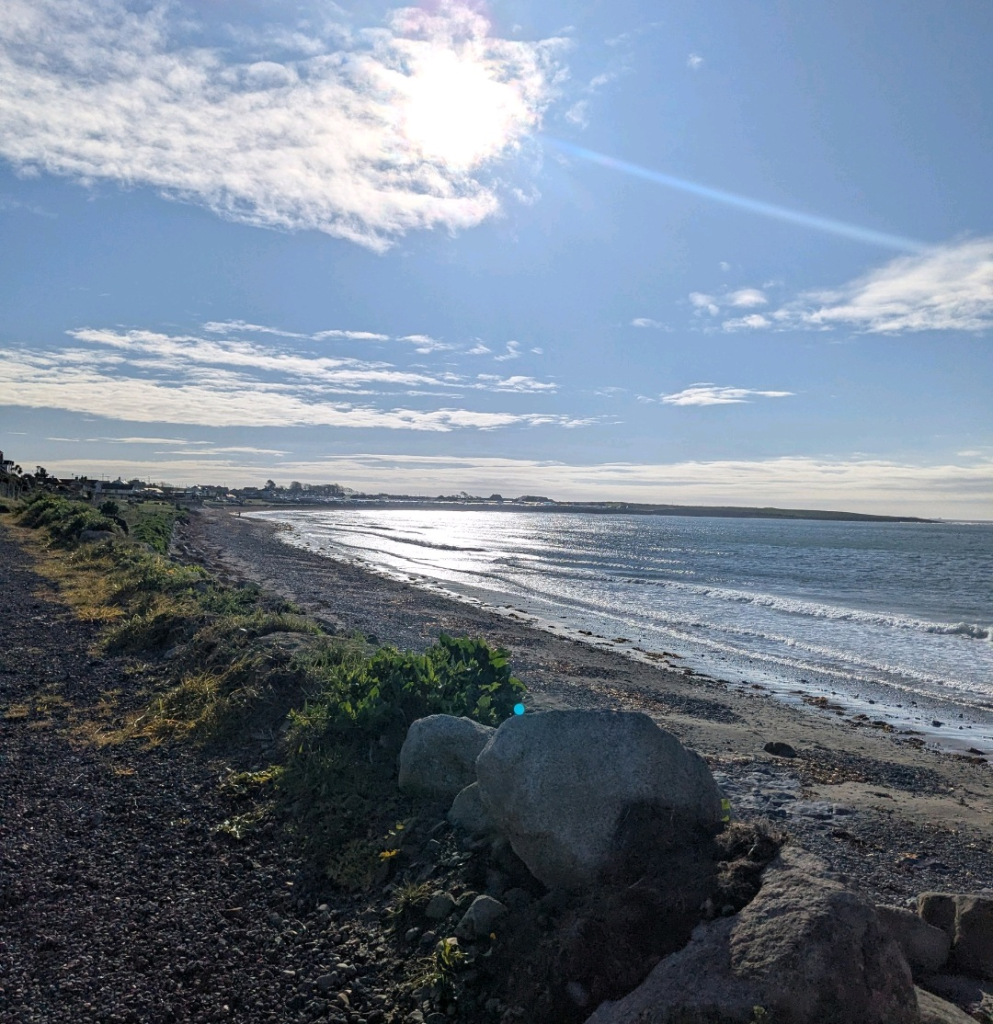
    Beach walks to relax the mind
    Beach walks to relax the mind

    3. Bird Watching

    Bird watching is surprisingly soothing. I started by noticing the robins and blackbirds in my garden, then picked up a simple pair of binoculars and a bird guide. The act of quietly watching, listening, and identifying birds helps distract my anxious thoughts.

    Beginner birdwatching tip: Head to a local park or nature reserve in the early morning when birds are most active.

    4. Gardening and Outdoor Pottering

    If you’ve got a garden, balcony, or even a few pots on a windowsill, gardening can be a therapeutic outdoor activity. There’s something grounding about putting your hands in the soil and watching something grow.

    5. Nature Photography

    You don’t need a fancy camera—your phone will do. Try snapping close-ups of leaves, insects, clouds, or sunsets. It helps you notice details you might otherwise miss and encourages present-moment awareness.

    6. Picnics and Forest Coffee Breaks

    Pack a blanket, some snacks, or a flask of coffee and find a scenic spot. Even if you only have 20 minutes, sitting in nature with a warm drink can reset your whole mindset.

    7. Wildlife Spotting Walks with the Kids or Dog

    Spending time in nature doesn’t have to be solo. I often take the family (and the dog!) on nature treasure hunts—looking for pinecones, unusual leaves, or spotting butterflies. It’s a great way to bond and get everyone off screens for a bit.

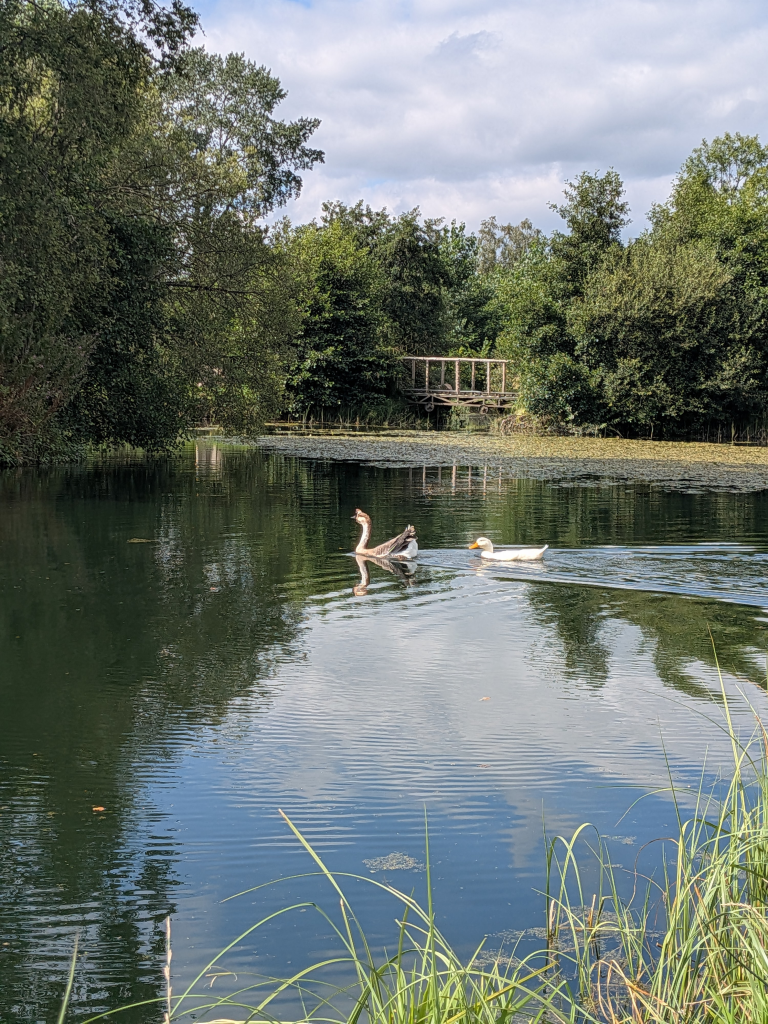
    Goose and Duck swimming across a lake
    Goose and Duck swimming across a lake

    Why It’s Okay to Start Small

    If you’re struggling with your mental health, the idea of going out can sometimes feel too big. I get it. There were days when I couldn’t face the world, let alone a woodland trail. That’s why I always remind people: start small.

    • Open a window and listen to birdsong.
    • Step outside for 5 minutes and feel the breeze.
    • Sit on your doorstep with a cuppa and watch the clouds.

    These tiny acts still count. They’re little reminders that the outside world is there when you’re ready—and that it wants to hold space for you.


    Long-Term Benefits of a Nature Habit

    Over time, spending more time outdoors can create a snowball effect of benefits:

    ✅ More energy and motivation

    That sluggish, anxious feeling often fades after even a brief walk outside.

    ✅ Stronger resilience

    I’ve found that I bounce back from difficult days quicker when I’ve been regularly connecting with nature.

    ✅ Improved relationships

    Spending time outdoors with loved ones—whether on a walk, at the beach, or exploring somewhere new—has helped deepen my family bonds.

    ✅ Better mental clarity

    Some of my best ideas and biggest personal breakthroughs have come while out walking among the trees.


    Nature and Self-Care: It’s Not a Luxury, It’s a Necessity

    In our fast-paced world, we often treat self-care like a luxury. But here’s the truth: connecting with nature is one of the most essential forms of self-care there is. It’s not about being perfect or outdoorsy or Instagram-worthy. It’s about reconnecting with something ancient and powerful—something that’s been healing humans for thousands of years.

    So next time you’re feeling the tension build, or the anxious thoughts start spiraling, try stepping outside. Head to your nearest park, forest, or beach—even if it’s just for 15 minutes.

    Let the world hold you for a while.

    You might be surprised at how much lighter you feel.

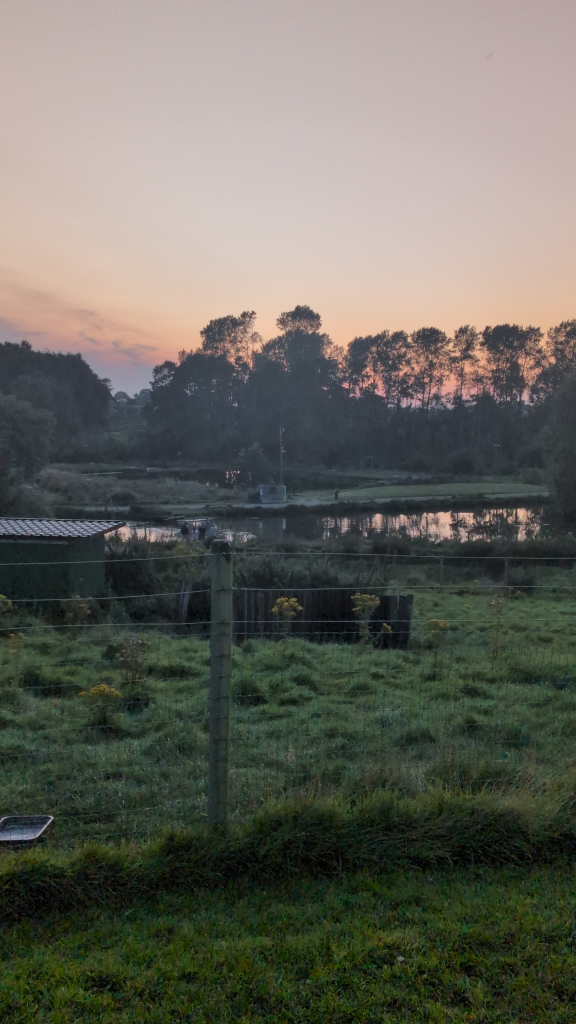
    Sunsets at Annaginney
    Sunsets at Annaginney

    Final Thoughts: Nature as a Lifeline, Not Just a Hobby

    For me, nature isn’t just a nice way to pass the time. It’s been a vital part of my mental health journey. It’s helped me through panic attacks, burnout, low moods, and overwhelming days. It’s where I’ve cried, breathed, healed, and started over—again and again.

    And the best part? It’s always there.

    Waiting.

    Welcoming.

    So if you’re feeling the pressure of life, if your mind is racing and your chest feels tight—step outside. Into the trees. Onto the sand. Beside the birds.

    Let nature meet you where you are.

  • Grounding with Nature and Tree Bathing: Natural Ways to Improve Your Mental Wellbeing

    Grounding with Nature and Tree Bathing: Natural Ways to Improve Your Mental Wellbeing

    In today’s fast-paced, screen-dominated world, many people are rediscovering the profound healing power of nature. Grounding with nature and tree bathing, also known as forest bathing or Shinrin-yoku, are two natural practices that promote mental wellness, reduce stress, and reconnect us to the Earth. Whether you’re living in a bustling city or near scenic countryside, these nature-based rituals are accessible and profoundly transformative.

    You’ll be happy to know that nature is closer than you think—and it holds powerful tools to help restore your inner peace. A quick google search for your local area will help you find lots of peaceful places.

    What is Grounding with Nature?

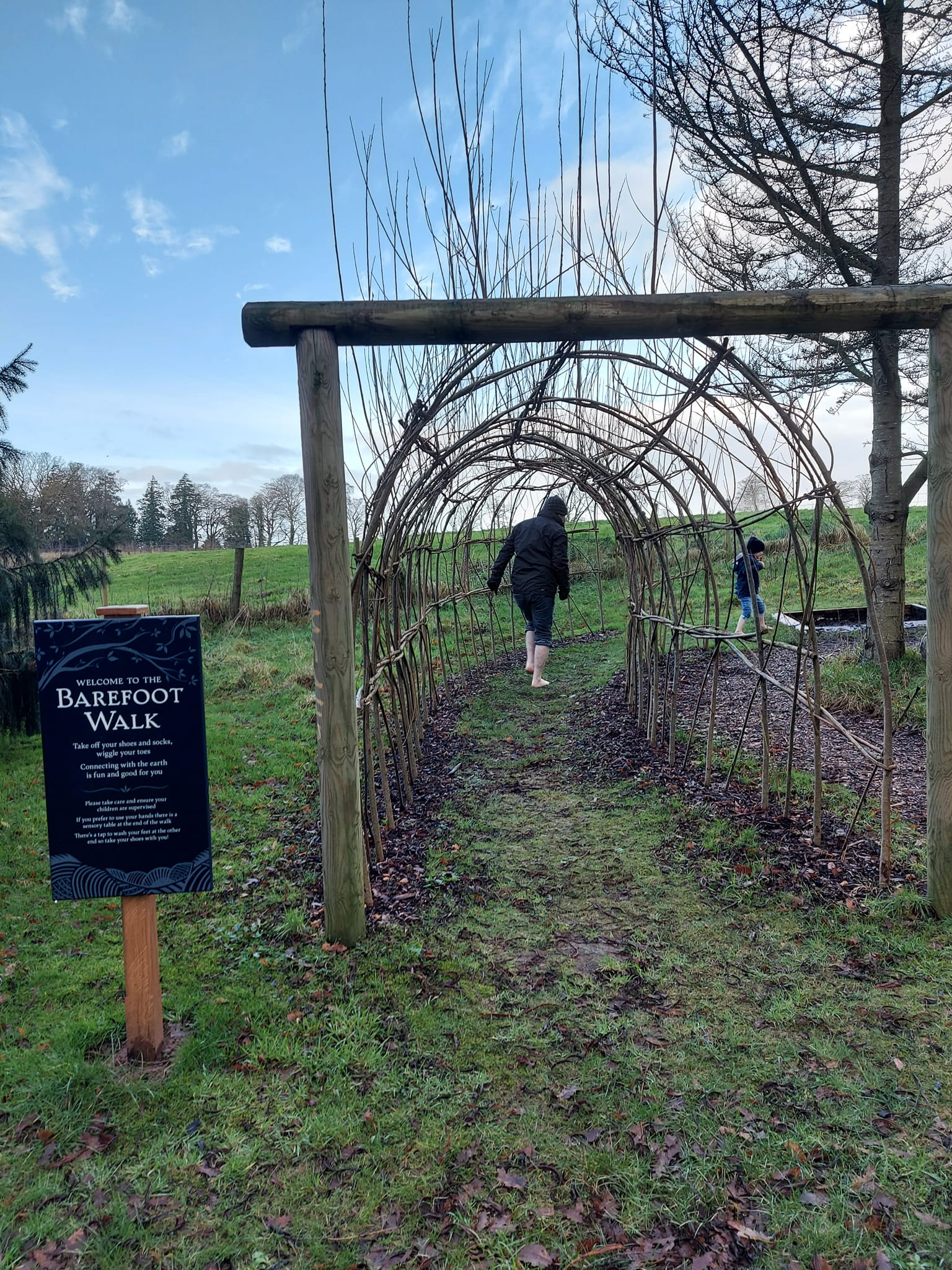
    Grounding, or earthing, is a therapeutic technique that involves physically connecting your body to the Earth’s surface. The idea is simple: by walking barefoot on grass, soil, sand, or immersing yourself in a natural body of water, you allow your body to absorb the Earth’s natural electrons. This subtle energy exchange has been linked to a variety of health benefits, especially those related to mental clarityemotional balance, and stress relief.

    Key Grounding Practices:

    • Walking barefoot in the park or garden, or using a grounding mat.( This is the one I use )
    • Lying on the grass while meditating or reading
    • Touching trees, soil, or rocks with bare hands
    • Sitting quietly by a stream or on a natural surface

    What is Tree Bathing (Shinrin-yoku)?

    Originating in Japan, Shinrin-yoku translates to “forest bathing.” But it doesn’t involve actual water or baths—it’s about fully immersing yourself in the forest atmosphere, mindfully and without distraction.

    Unlike a hike or a run, tree bathing is slow and meditative. You intentionally engage all your senses—listen to the rustling leaves, inhale the earthy scents, observe the patterns of bark and light filtering through the canopy. It’s less about reaching a destination and more about being present in the experience.

    To Find Local Forest trails in your area search on google which will bring up a list of areas.

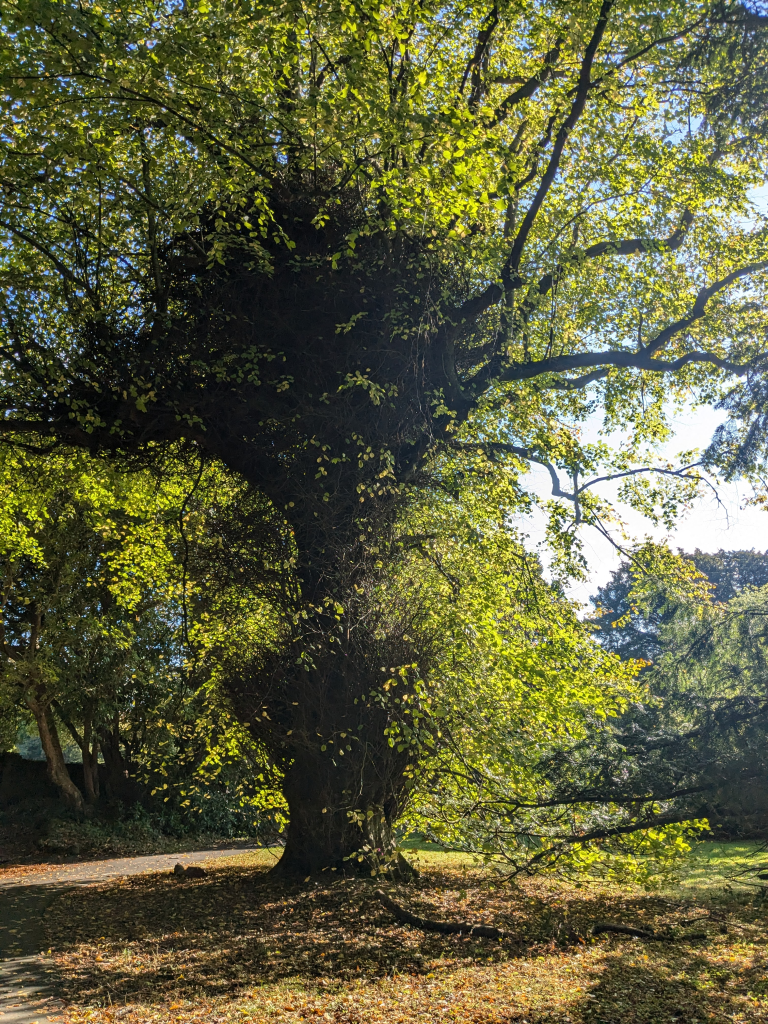
    Huge Tree Tollymore Forest Park
    Huge Tree Tollymore Forest Park

    6 Science-Backed Mental Health Benefits

    1. Reduces Stress and Cortisol Levels

    Numerous studies have shown that spending time in nature, especially through grounding or tree bathing, lowers levels of cortisol, the body’s primary stress hormone. Just 20 minutes of barefoot walking in a natural space can lead to significant stress relief.

    2. Improves Mood and Emotional Balance

    Connecting with nature enhances the production of serotonin, a feel-good neurotransmitter. It’s often recommended as a complementary therapy for anxiety, depression, and burnout.

    3. Boosts Mental Clarity and Focus

    Forest environments have been shown to improve attention span, reduce mental fatigue, and enhance creativity. Children with ADHD and adults working in high-stress environments benefit from regular time spent grounding or in green spaces.

    4. Supports Better Sleep

    Grounding has been linked to better regulation of the circadian rhythm, helping you fall asleep more easily and stay asleep longer. A simple barefoot walk in the evening can help calm your nervous system before bed.

    5. Promotes Mindfulness and Present-Moment Awareness

    Both grounding and tree bathing are inherently mindful. By focusing on sensory experiences—like the texture of bark or the sound of birds—you naturally become more present and centerd.

    6. Strengthens the Immune System

    According to Japanese researchers, tree bathing increases the body’s natural killer (NK) cell activity, which helps fight off illness and disease. Trees release phytoncides—natural chemicals that have antimicrobial properties and support immune health.

    How to Get Started with Grounding or Tree Bathing

    Getting started is easy—and best of all, it’s free.

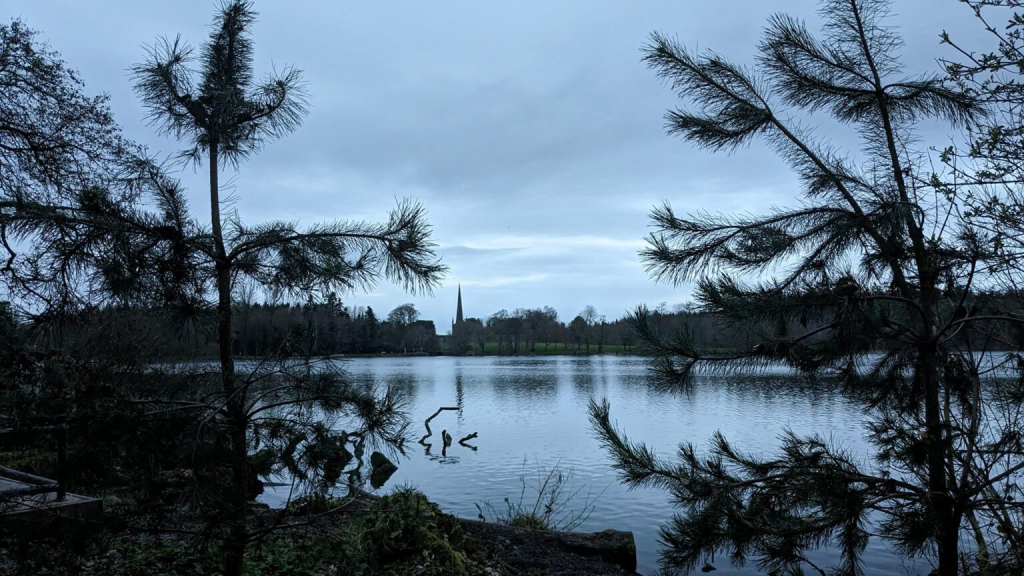
    Forest and Lake Views
    Forest and Lake Views

    For Grounding:

    • Take your shoes off and walk on grass or soil for 15–30 minutes daily. You can also use a grounding mat. You can buy one on amazon by
    • Practice deep breathing while standing on a natural surface.
    • Sit directly on the ground during meditation, journaling, or reading time.

    For Tree Bathing:

    • Visit a local park or forest with the intention of slowing down.
    • Leave your phone behind or put it on airplane mode.
    • Take deep breaths, use all your senses, and stay quiet.
    • Spend at least 30–60 minutes immersing yourself in the natural surroundings.

    To find a local spot near you search “tree bathing near me” or “best grounding spots in your city to discover hidden gems in your area.

    Final Thoughts: Reconnect and Restore

    Grounding with nature and tree bathing offer a powerful antidote to modern life’s overwhelm. Whether you’re seeking calm, clarity, or simply a break from your daily routine, stepping into nature with intention can dramatically improve your mental wellbeing.

    In your City, Town, Village, nature is never far away. The more often you reconnect with the Earth, the more resilient, centered, and whole you’ll feel.

    So take your shoes off. Hug a tree. Breathe deeply. The natural world is waiting—and your mind will thank you for it.

    Discover how grounding with nature and tree bathing can reduce stress, improve mental clarity, and support overall wellness. Explore the science backed benefits and how to get started near you.